

Check out my blogs below.

Brands that are Getting it Right
I spend a lot of time paying attention to brands — not just as a consumer, but as a designer trying to understand what's working and why. Some brands do safe, competent work. A few do something that actually makes you stop and look twice. This is about the latter.
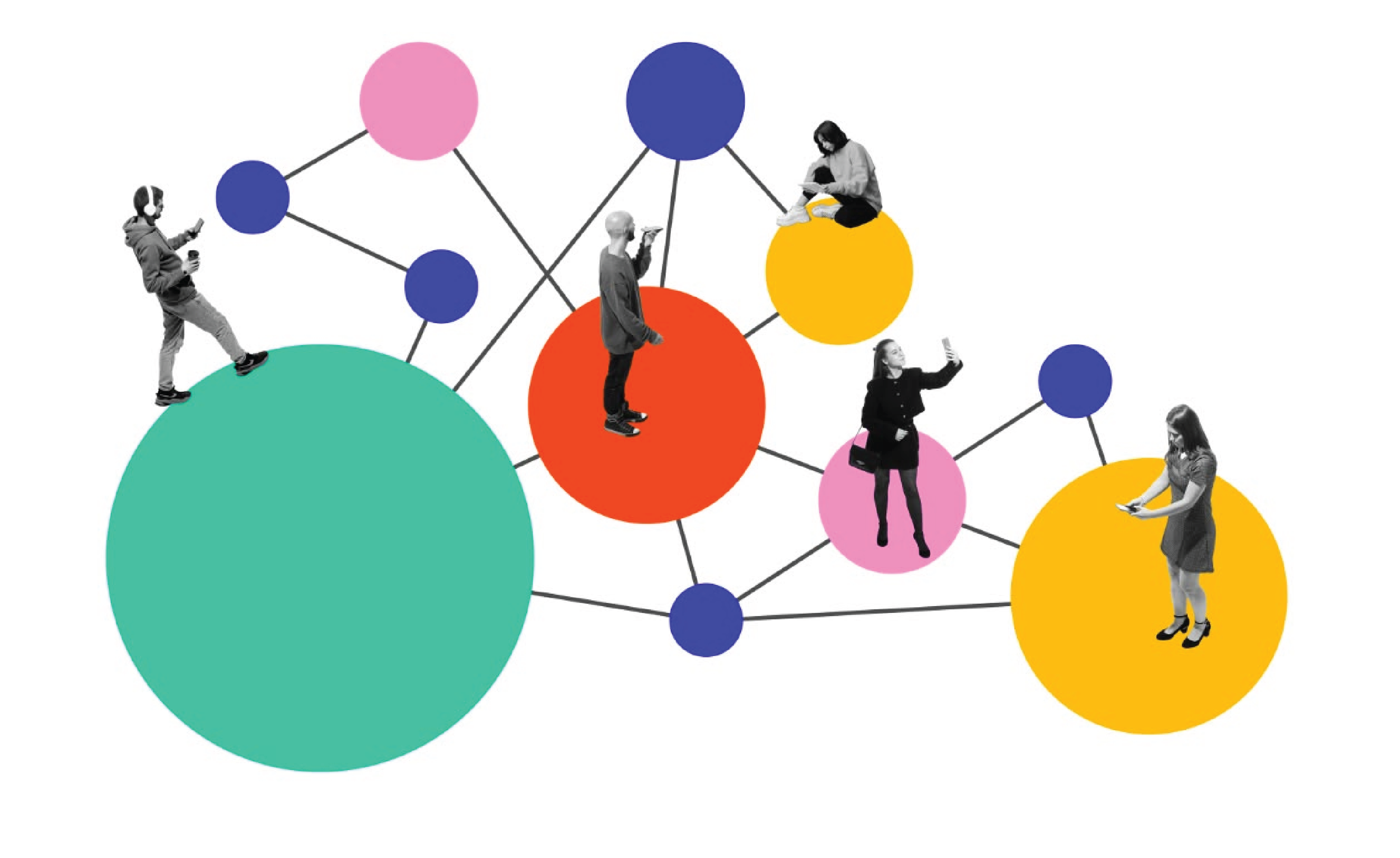
Can Social Media Actually Spark Real Change?
Most of us scroll past hashtags without giving them a second thought. It's just noise, right? But if you look back at the last fifteen years or so, it's hard to argue that social media is just noise. Some of the most significant political upheavals of the 21st century had a digital backbone, and the Arab Spring is probably the clearest example of that.

How I'm Managing Without Losing My Mind
Grad school is a lot. Creative grad school is its own specific kind of a lot, because the work doesn't clock out. You're not just doing assignments, you're thinking about design in the shower, on your commute, in the middle of conversations that have nothing to do with it.
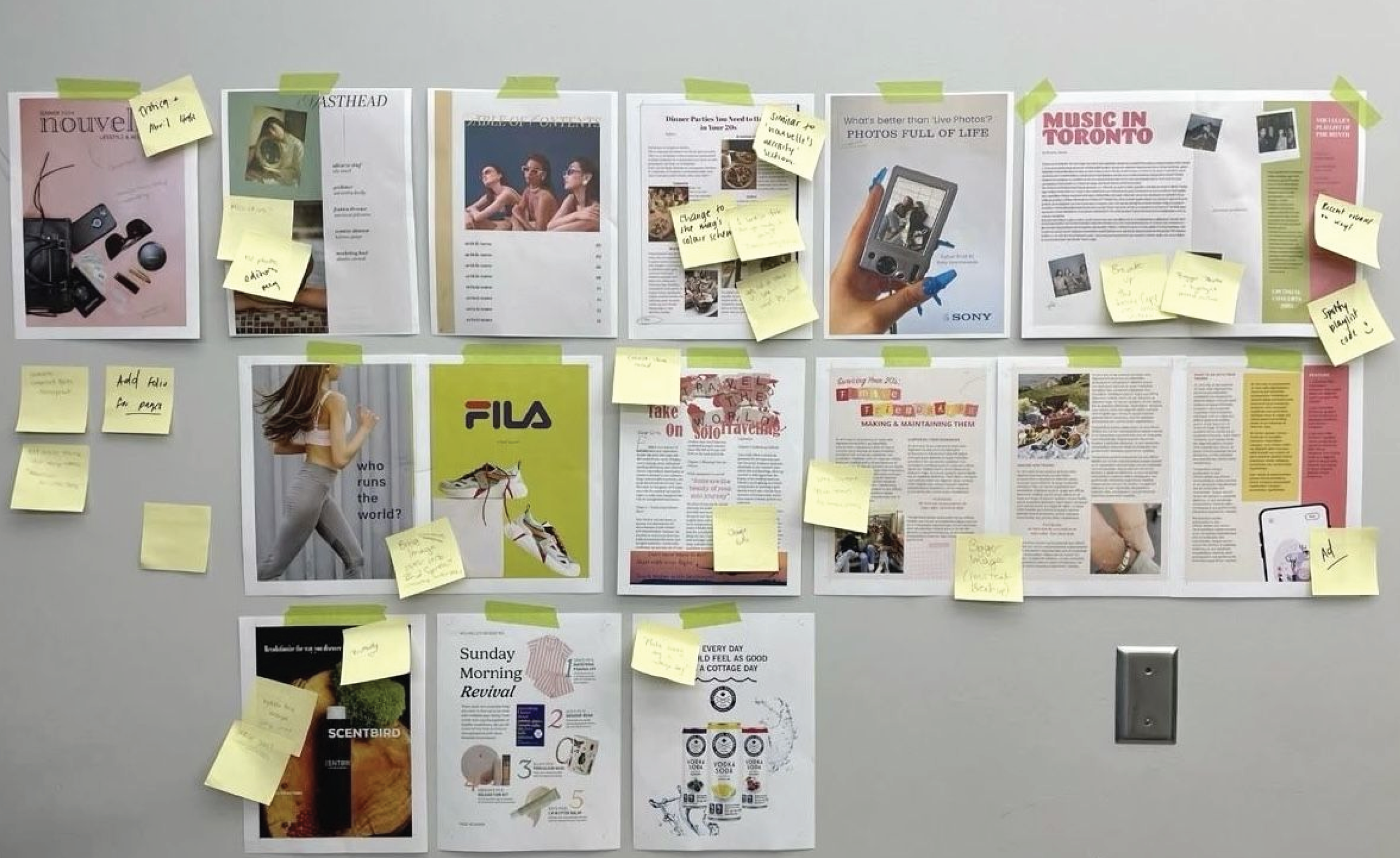
Scroll Stopper: The Case for Sticky Content
You know that one post you can’t stop thinking about? The one you send to three friends, then revisit later? That’s “stickiness.” It’s not just about going viral, it’s about staying with someone.
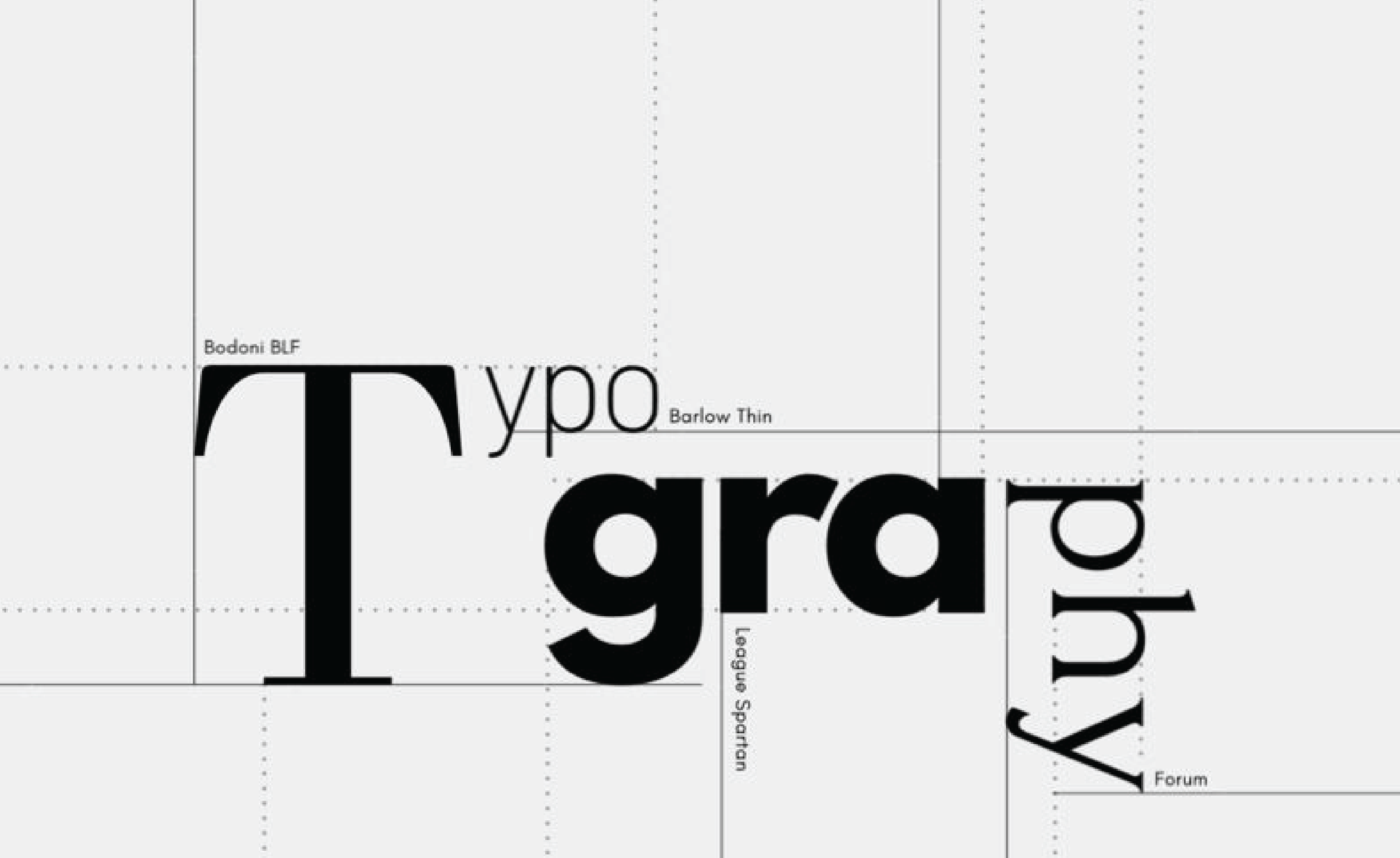
Type is Never Just Type
I can't walk into a coffee shop or scroll past an ad without clocking the type first. Before the color palette, before the copy, I've already formed an impression. It's become a reflex, and once you develop it, you can't turn it off.
How Client Work Changed the Way I Design
There's a version of design school that feels almost protected. You get a brief, you interpret it however you want, you present it to a room full of people who fundamentally want you to succeed, and then you move on to the next project. The stakes are real enough to keep you up at night, but they're also... contained. Nobody's brand is on the line. Nobody paid for this.
When Awareness Goes Viral
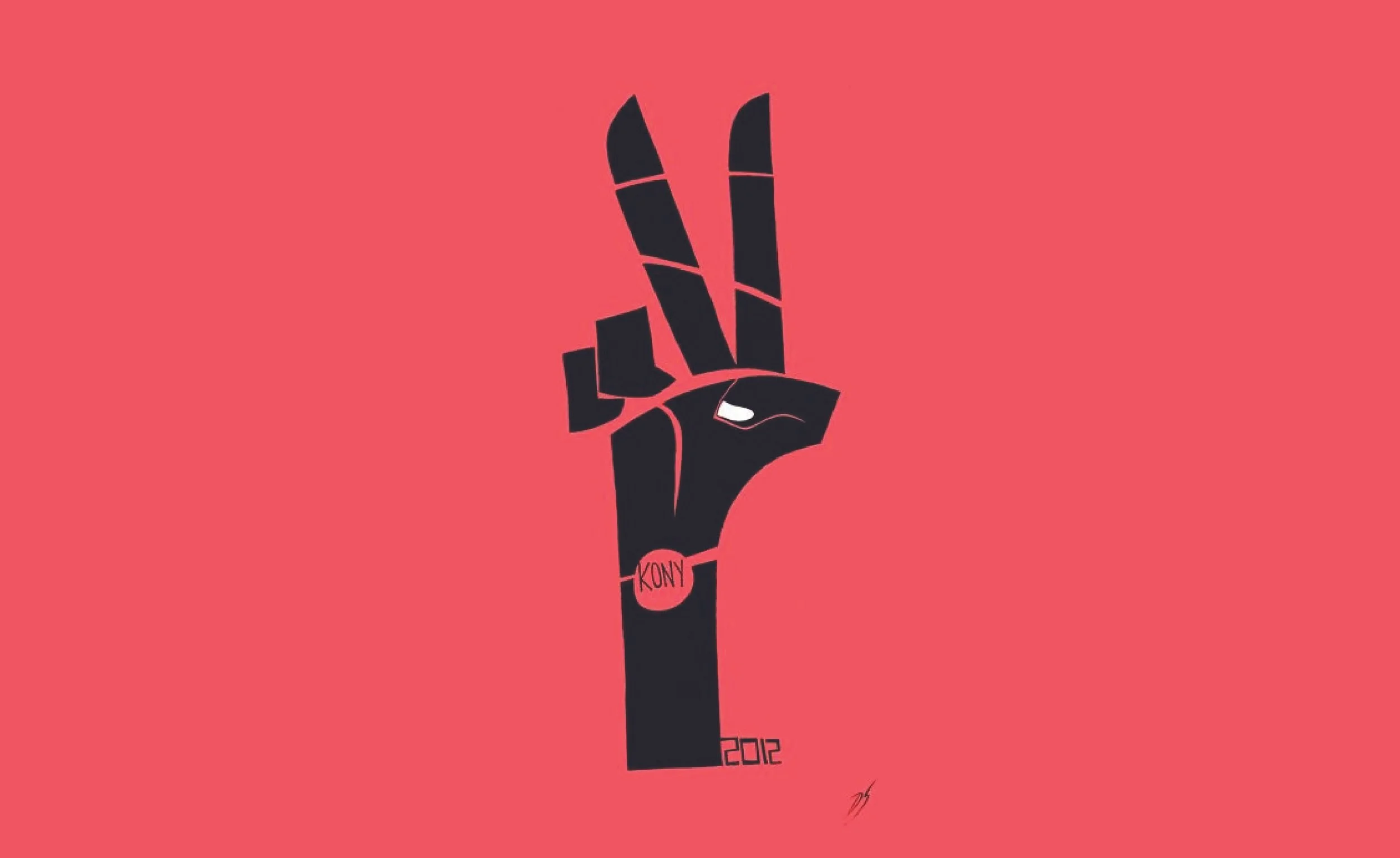
There's something unsettling about watching Kony 2012 years later. The first time, it feels urgent. Watching it again, the emotional pull is still there, but so is a creeping sense of unease.

Redesigning My Own Brand
Designing for yourself is one of the hardest things you can do as a designer. There's no brief, no client to push back on, and no external deadline forcing a decision. It's just you, your taste, and a blank canvas that somehow has to represent everything you are and want to be professionally.
When a Post Becomes a Protest
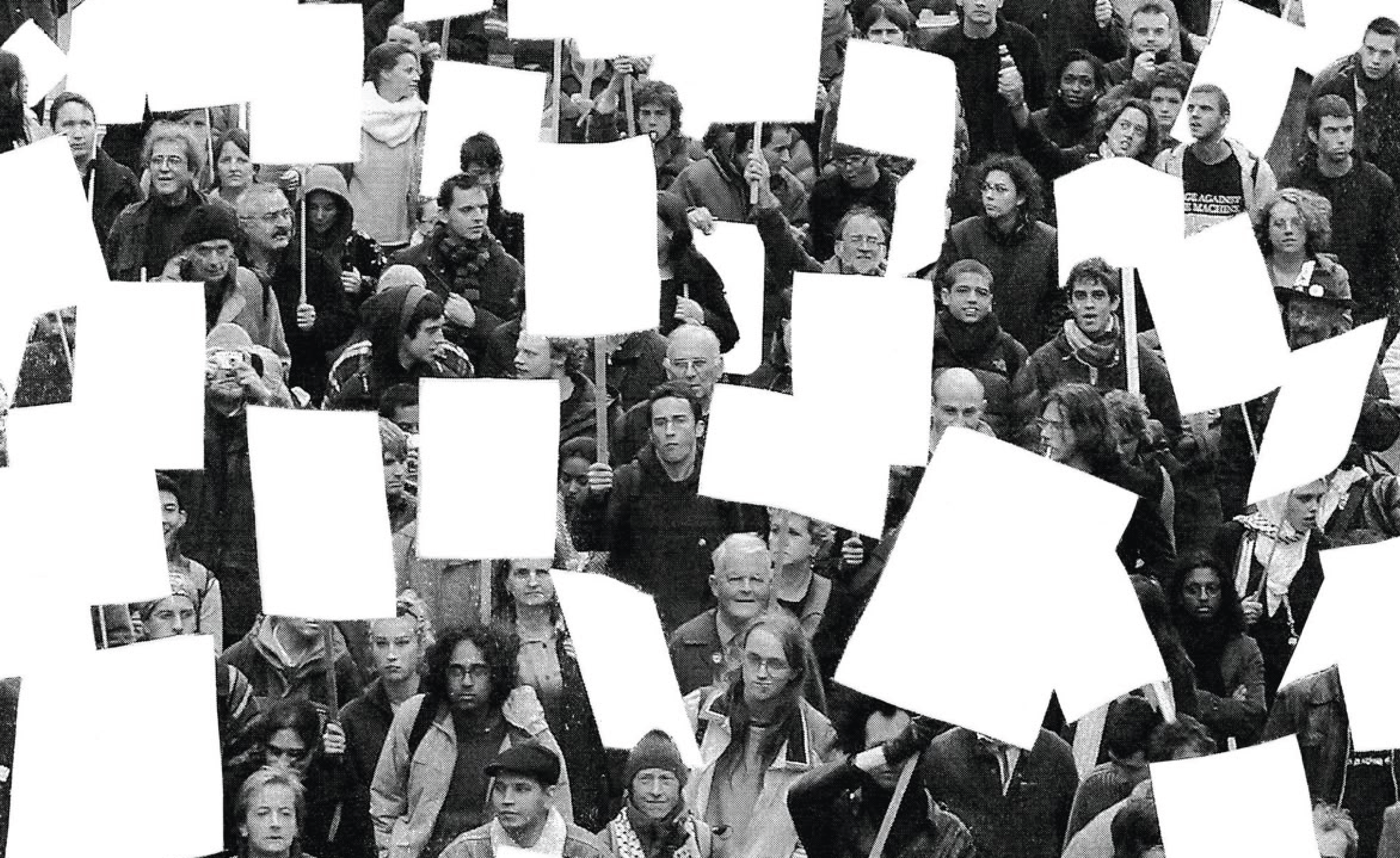
You’ve probably shared a post, liked a story, or reposted something that felt important. It takes seconds. But what if those small actions are part of something bigger?
The Unwritten Curriculum: What I Learned About Design Outside the Classroom
For me, it didn't happen at graduation — it happened mid-semester junior year, sitting across from my first real client, sketchbook open, and realizing that everything I'd practiced in studio had prepared me for the look of that conversation, but not quite the weight of it.
The Positive Power of Social Media
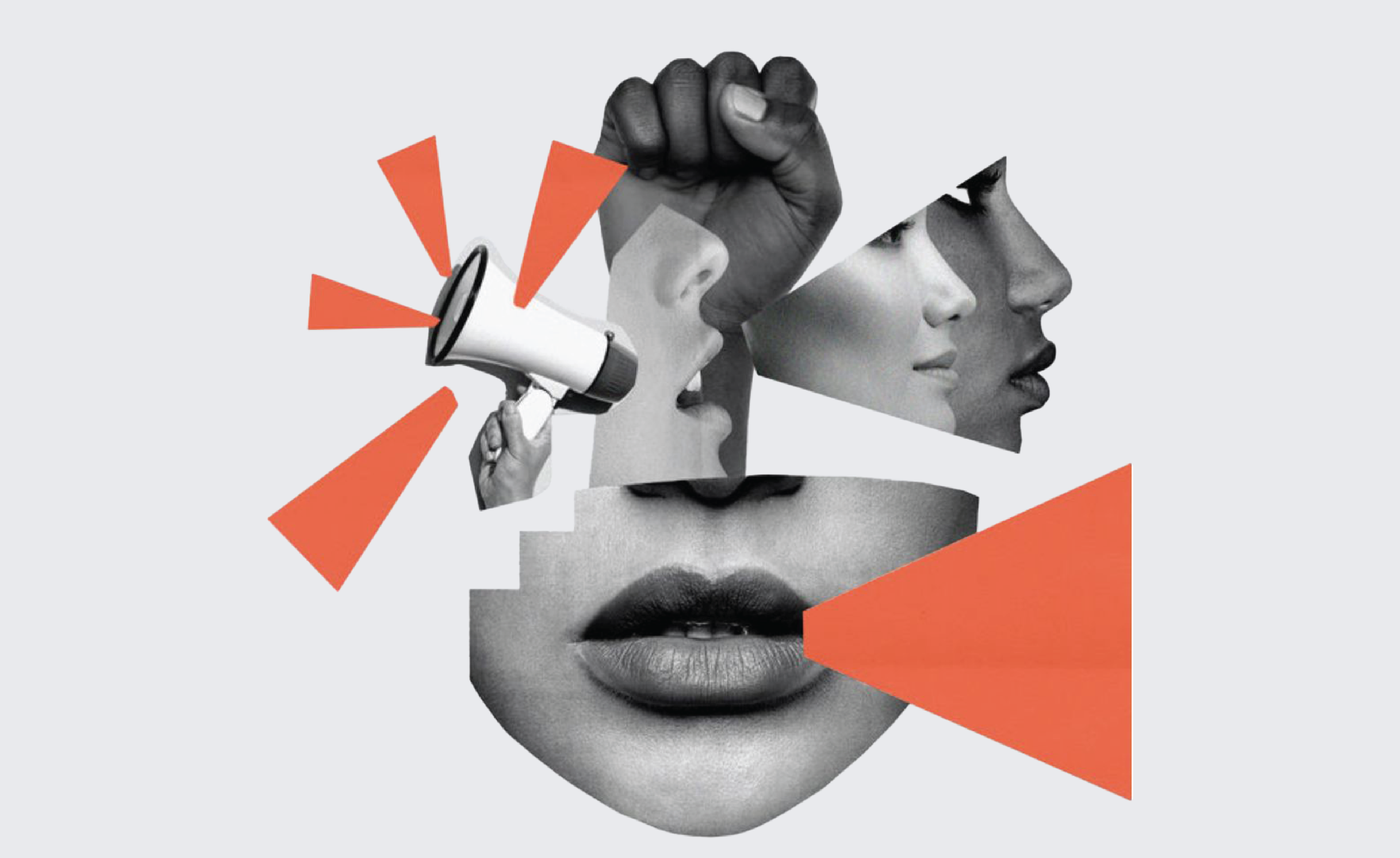
Social media gets a bad reputation, and honestly, a lot of it is deserved. The endless scrolling, the comparison traps, the rabbit holes that eat up an afternoon. But I think we're too quick to write it off entirely.
Redesigning the Clinique Website: A UX Research Journey
Redesigning a website is rarely just about aesthetics. Behind every interface decision is a deeper question about how people think, search, and make decisions online.
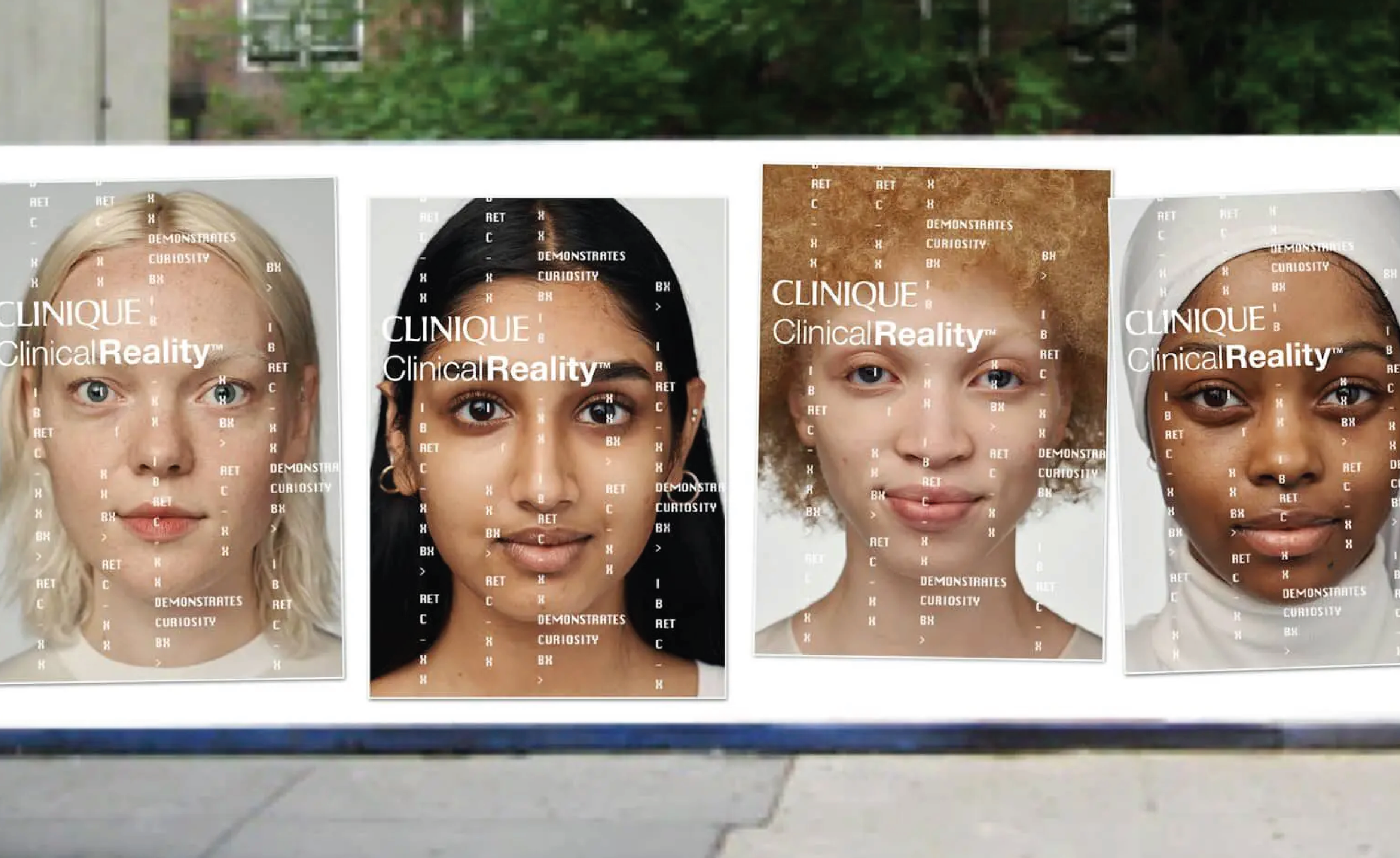
Usability Testing: Where Clean Design Meets Cognitive Load
After conducting heuristic evaluations and structural analysis of the Clinique website, usability testing became the most important phase of this redesign process. Up until this point, much of my critique had been analytical. Usability testing shifted the focus from assumption to observation.
You Have Five Seconds: What First Impressions Reveal About Your Design
Five seconds doesn’t sound like much. But online, it’s often all you get.
Behind the Curtain: Wizard of Oz Studies in UX Design
Some of the most valuable UX research happens long before a product is fully built, or even built at all. Wizard of Oz studies are a great example of this kind of early exploration
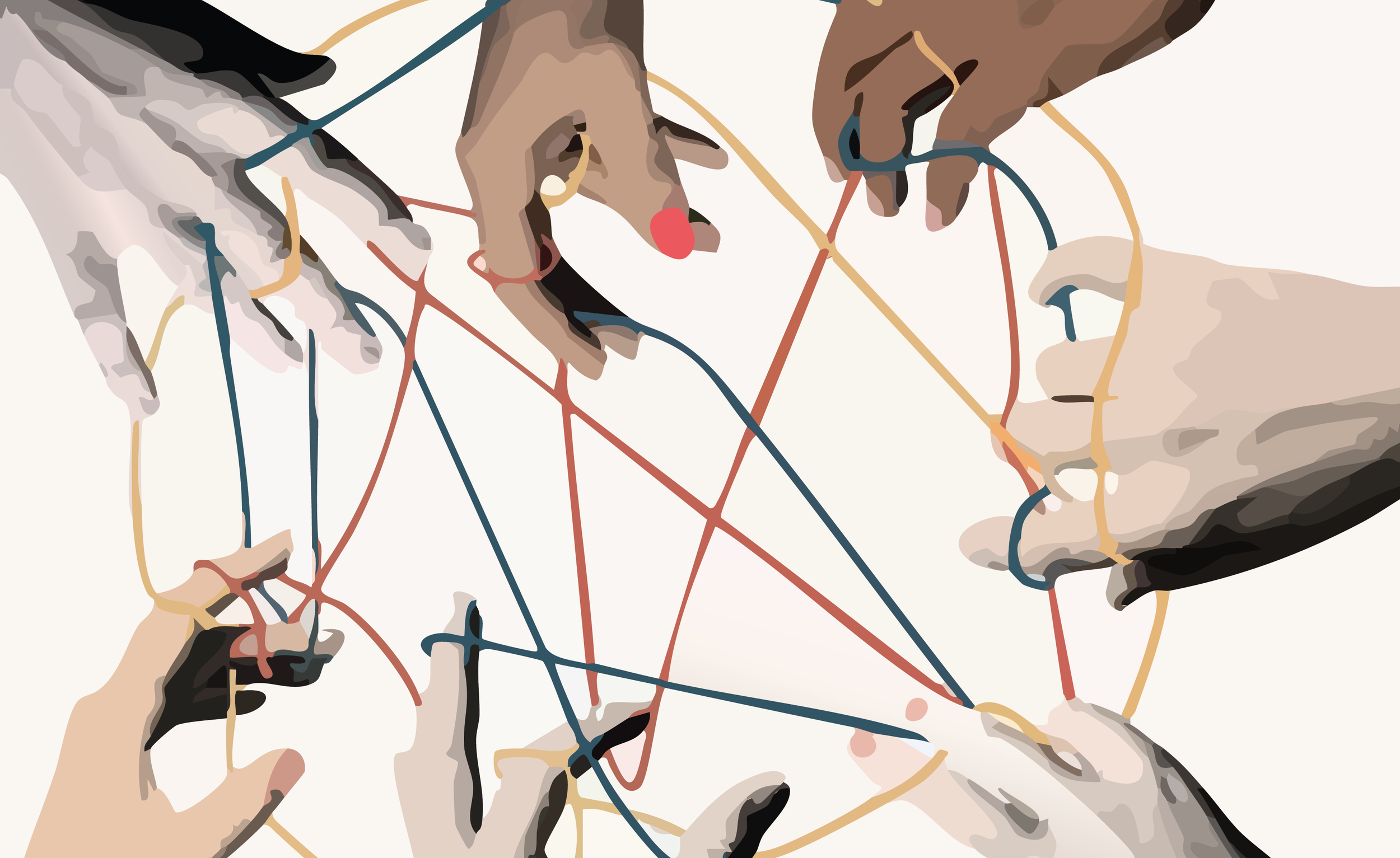
Designing in Loops, Not Lines: Why Iterative Design Makes Better Digital Experiences
One of the most persistent myths about design is that strong digital products emerge fully polished from a single, inspired idea. In reality, the most effective interactive experiences are shaped gradually through iteration: a cycle of designing, testing, learning, and refining.
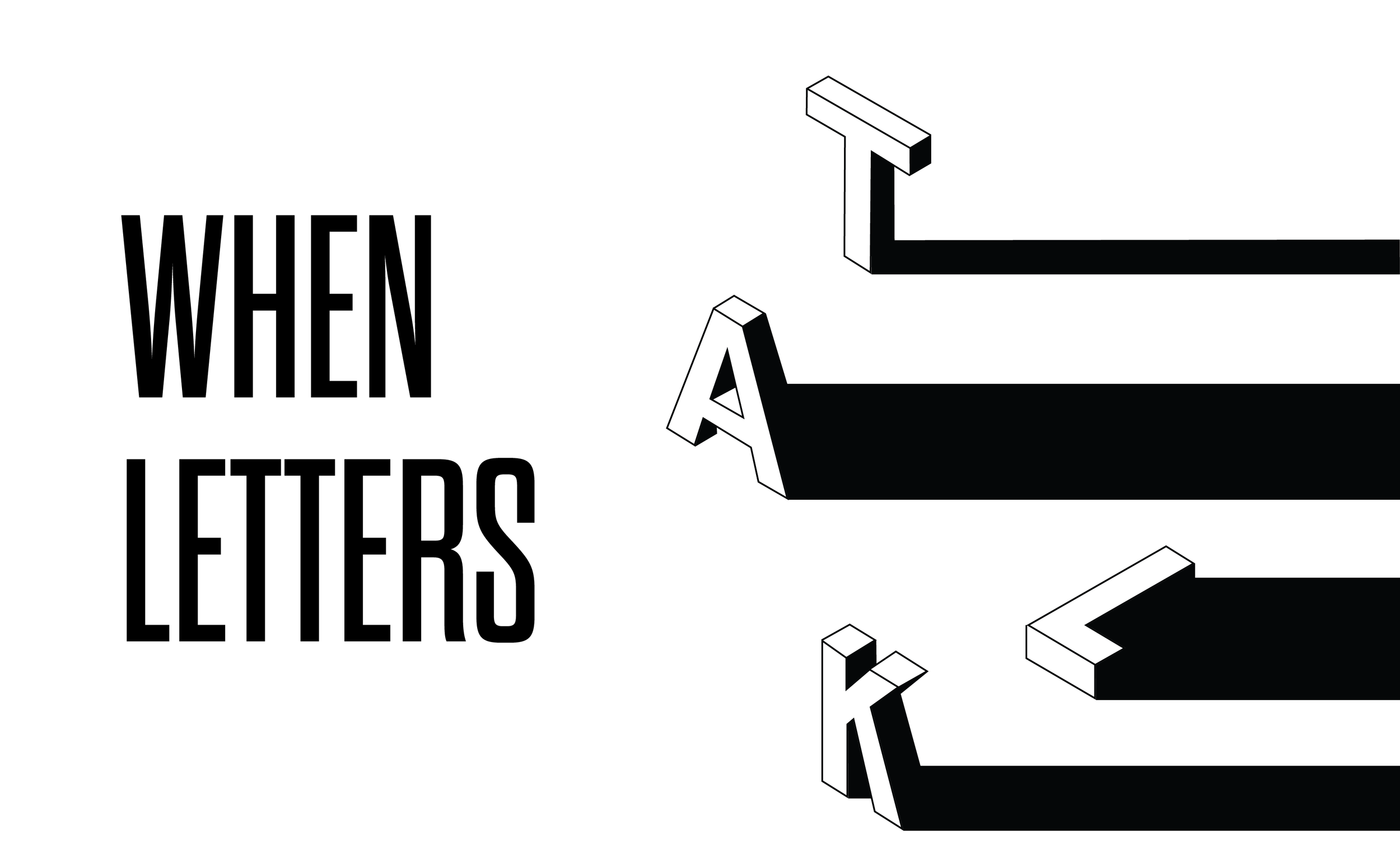
The Feelings Hidden in Your Type
Most of us don’t think twice about the fonts we see every day. We scroll past them, read through them, maybe notice when something looks “cute” or “serious,” but that’s about it.

A Week in Motion: Storytelling Through Dance Fusion
The purpose of this photo essay was to capture what a typical week on Dance Fusion feels like — not just what we do, but the moods, rhythms, and relationships that shape the experience.
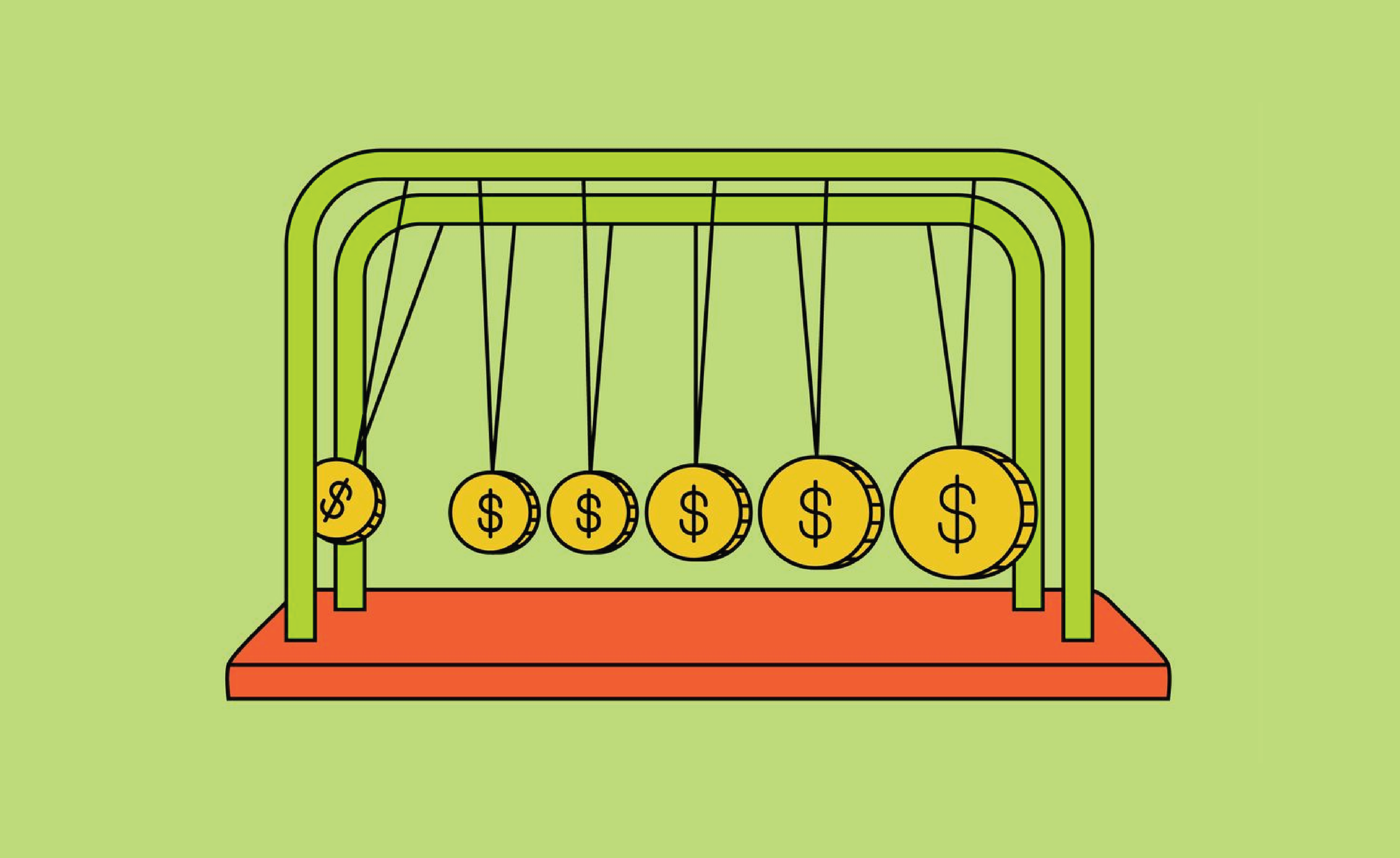
Designing for Decisions
When you really think about it, design isn’t just about what looks good, it’s about how people think. Every color choice, layout, and micro-interaction on a screen plays into the messy, fascinating ways our brains make decisions

Designed to Feel: How Emotion Shapes the Experience Economy
As designers, our role is to move beyond functionality and aesthetics to shape how people feel—because in a world full of choices, emotion is what people remember.