

Designing in Loops, Not Lines: Why Iterative Design Makes Better Digital Experiences
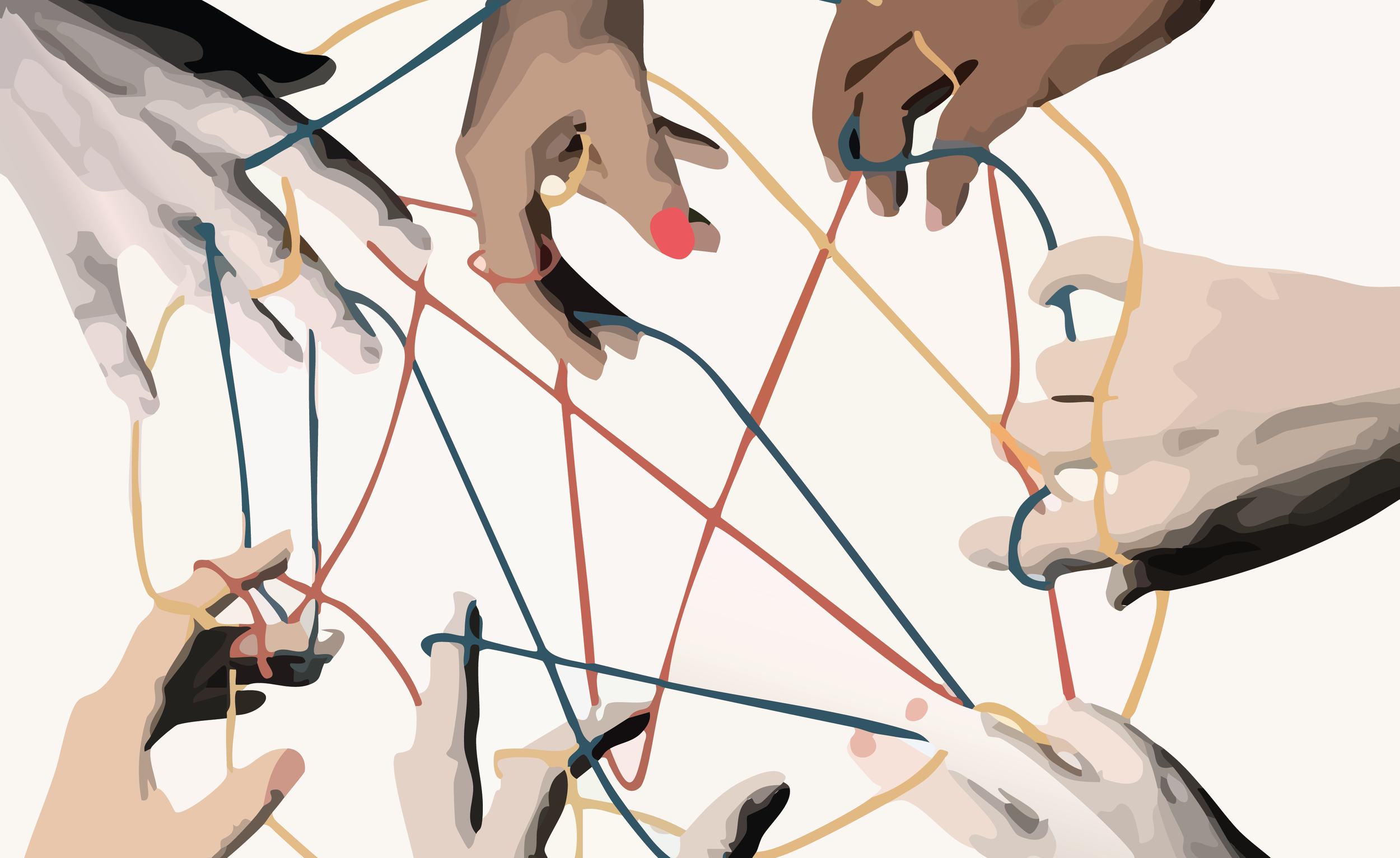
One of the biggest misconceptions about design, especially outside creative and tech circles, is that good ideas arrive fully formed. As if a designer sketches once, polishes twice, and ships something perfect. In reality, the strongest digital experiences are built through iteration: a deliberate, sometimes messy cycle of making, testing, learning, and refining. Iterative design isn’t a backup plan for when things go wrong. It’s the plan.
Designing for How People Actually Think
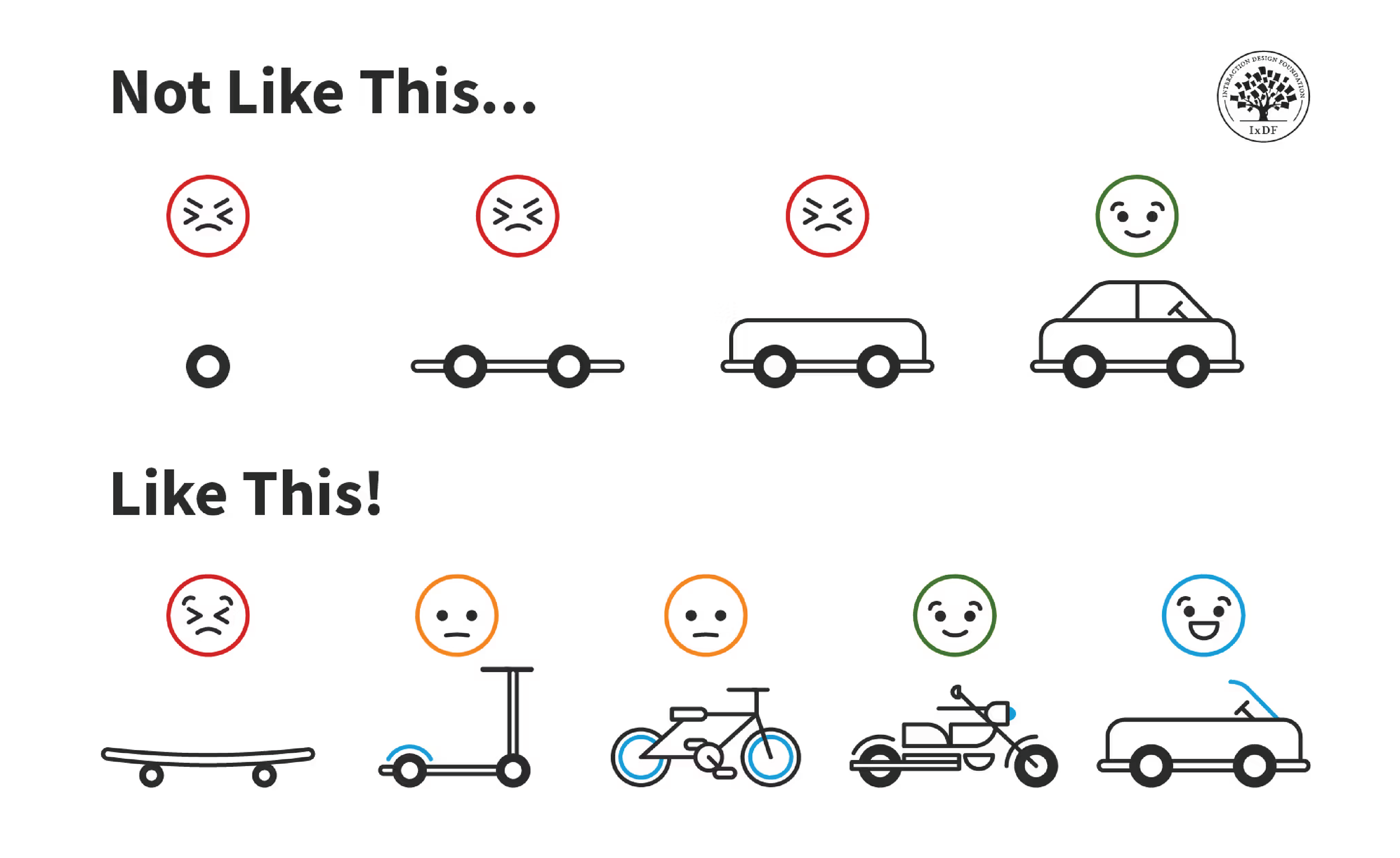
What is Iterative Development? - Interaction Design Foundation
At its core, iterative design acknowledges something deeply human: we don’t always know what works until we see it in use. Users don’t interact with products the way stakeholders imagine they will, and they rarely follow the “happy path” designers anticipate. Iteration creates space for that unpredictability. Instead of aiming for a flawless first release, teams aim for something usable, observable, and open to change. Jakob Nielsen’s usability research demonstrates that even simple prototype testing can reveal critical usability problems early, before they become costly to fix.
What makes iterative design especially powerful in interactive media is how it shifts the designer’s role. Rather than being the sole expert making final decisions, the designer becomes a listener and interpreter. Early wireframes and prototypes act like questions proposed to users: Does this make sense? Can you find what you need? Does this feel intuitive? The answers don’t come from opinions in a meeting room but from behavior, hesitations, and that a-ha moment.
Balancing User Needs and Business Realities
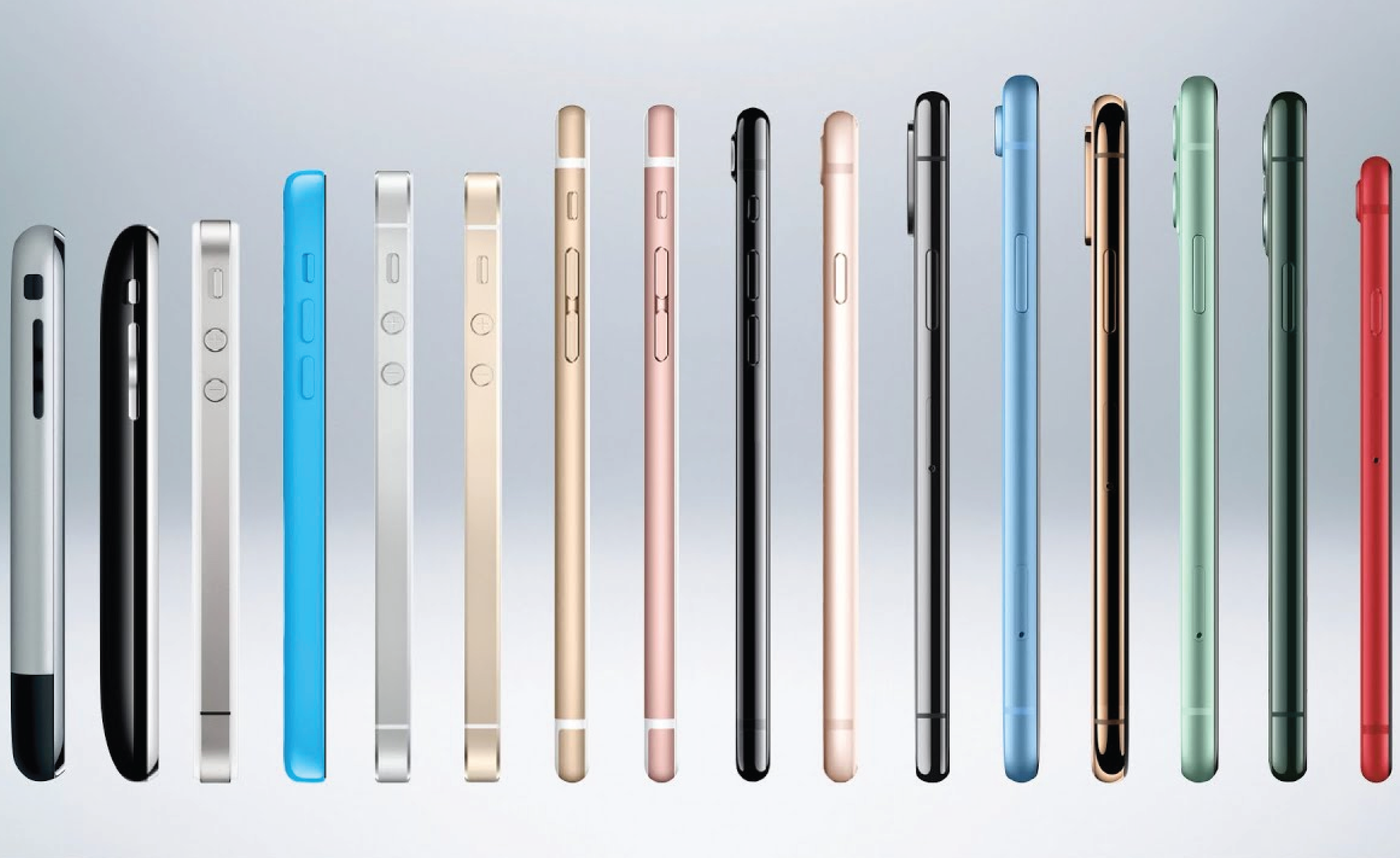
Apple is a great example of the constant improvement of a singular model. Apple’s design process begins and ends with the user. Understanding user needs, behaviors, and desires is paramount. This focus on user experience drives the development of intuitive interfaces and seamless interactions. Medium.com
Iteration also has a way of grounding creativity. Constraints such as time, budget, and technical feasibility aren’t barriers; they’re part of the feedback loop. Each round of revision balances user needs with real-world limitations, resulting in designs that are not only engaging but sustainable. This is where iterative design quietly supports business goals, too. By identifying usability issues early, teams avoid costly overhauls later and build products that users are more likely to adopt and stick with. IDEO’s design thinking framework emphasizes rapid prototyping and iteration as a way to learn quickly and lower the risk of launching ideas that do not resonate. In this sense, iteration becomes a tool for learning, not just refinement.
There’s also an emotional component that often goes unspoken. Iterative design requires humility. Letting users interact with unfinished work can feel uncomfortable, especially for creatives trained to present only polished outcomes. But that vulnerability is where growth happens. Each iteration becomes less about defending an idea and more about improving it.
Why Designing in Loops Works
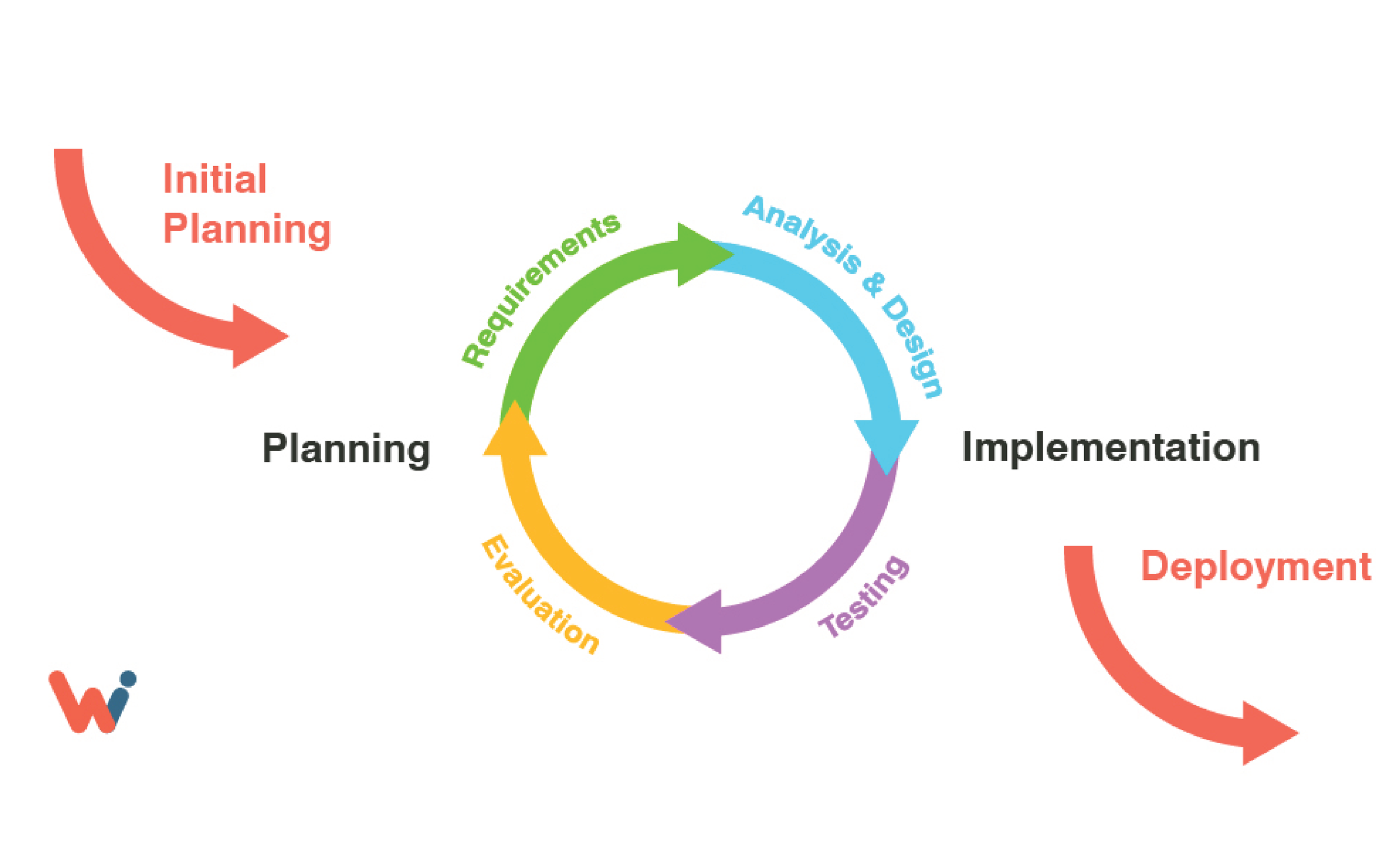
What is the iterative design approach & how can it benefit your project? - WishDesk
In practice, iteration doesn’t mean endless tweaking. Healthy iteration has intention and direction. Each cycle is guided by a clear question or hypothesis, whether it’s improving navigation clarity, reducing cognitive load, or increasing engagement. Without that focus, iteration can spiral into change for the sake of change. With it, the process becomes purposeful and energizing.
Ultimately, designing in loops instead of straight lines allows interactive media to remain responsive, human-centered, and relevant. It’s not about getting it right the first time, it’s about getting closer each time.
