

A Week in Motion: Storytelling Through Dance Fusion
Dance Fusion’s season unfolds not in big, grand moments alone but in the small rituals that make this team a family. I have the privilege of leading these amazing women on and off the court and in between early-week practices to late-night bonding, each moment carries its own anticipation, connection, focus, and belonging.
This photo essay follows a single week inside Dance Fusion, tracing how a group of individuals becomes a community through one shared purpose. Through these images, the week’s rhythm reveals itself as a choreography of its own.
1. Pre-Game Jitters
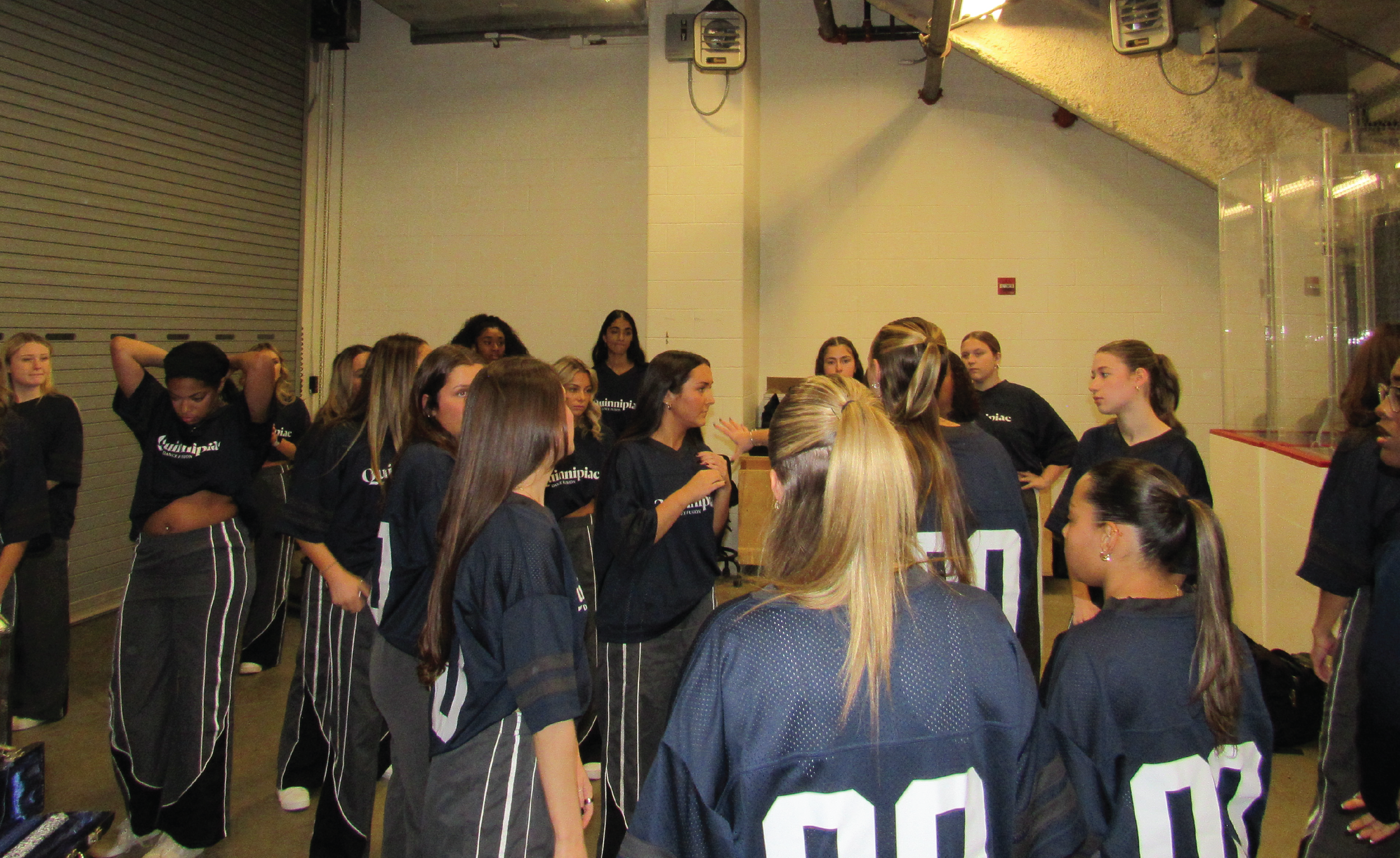
Our week begins with the familiar shuffle of sneakers on the studio floor, one of those sounds that instantly signals we’re back in our routine. With the basketball home opener came our first performance of the season, so nerves and excitement were definitely in the air. As everyone naturally folded into a huddle, it felt like the moment that grounds us before everything starts moving.
2. Sideline Stillness
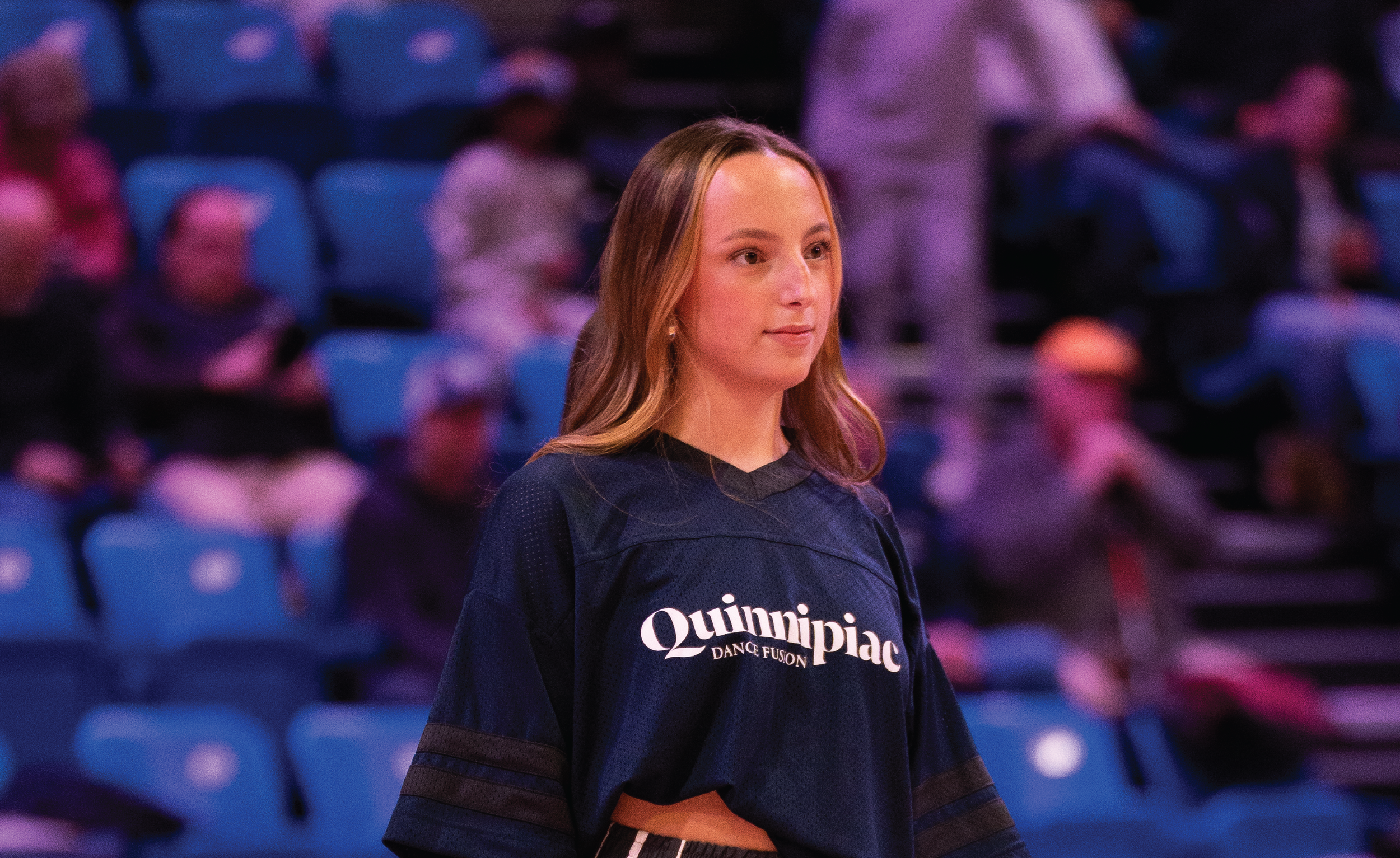
Right before stepping onto the court, Ella took a quiet second just to breathe. It’s that tiny pause where everything feels both calm and electric at the same time. The bright arena lights made the moment feel even more real, almost like the deep breath before a big scene in a movie.
3. Trick of the Trade
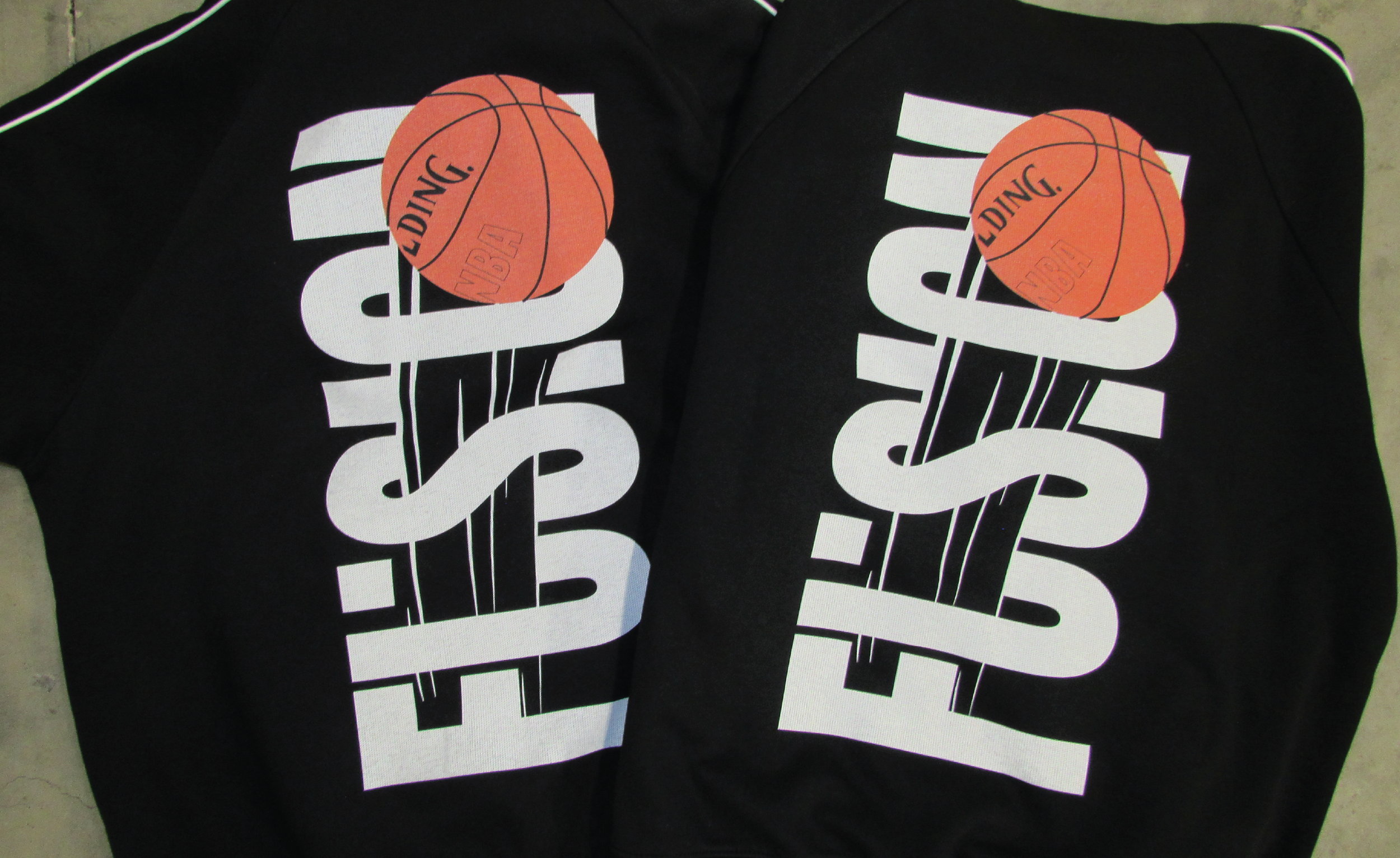
Fusion’s warm-ups are more than clothes, they’re part of how we recognize each other and feel like a team. Designing them with that in mind made the process personal. Just like a good map helps people feel oriented, our uniforms give us a shared look that ties everyone together.
4. Bonding Beyond the Studio
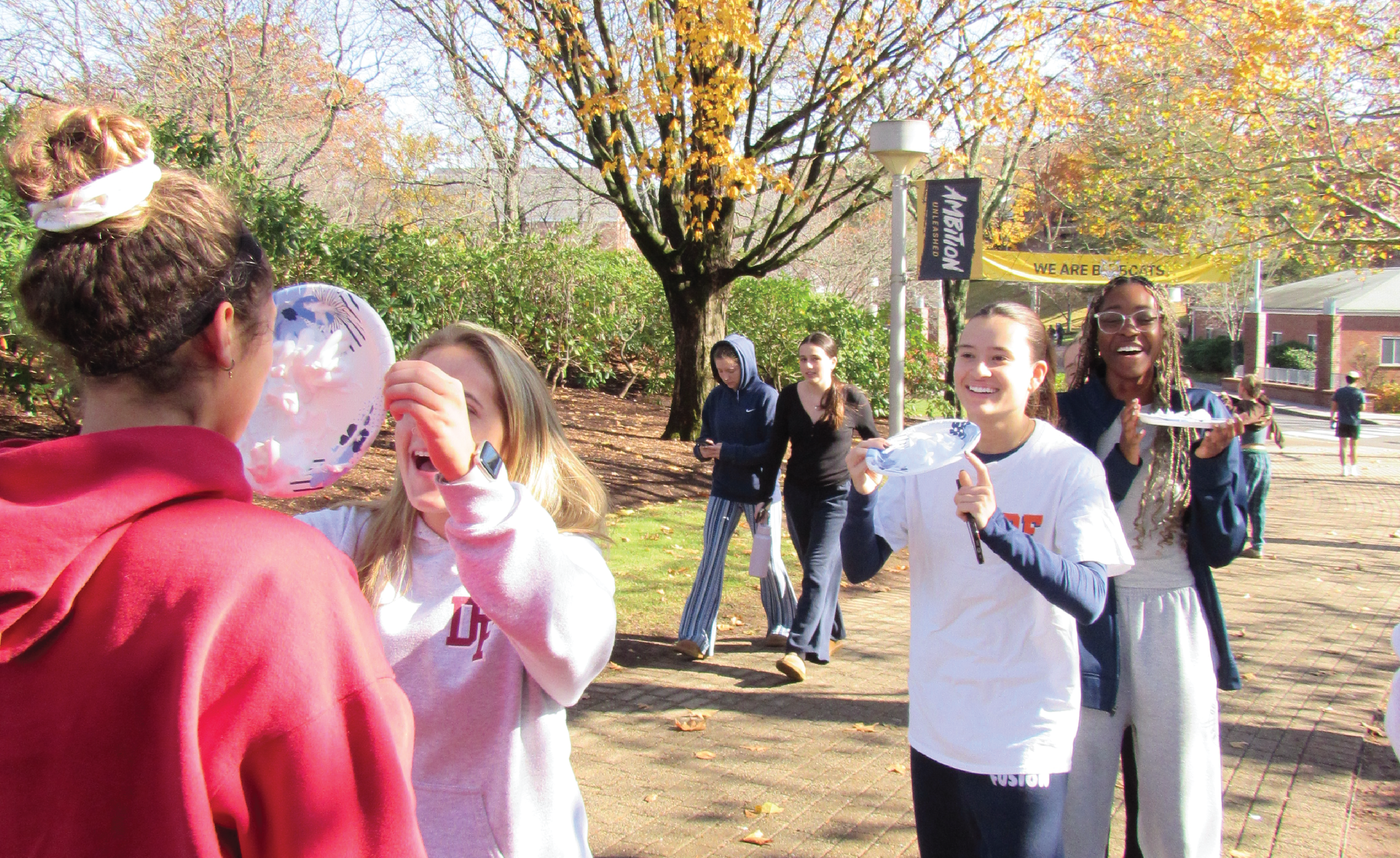
Wiping whipped cream off our faces wasn’t exactly how any of us pictured starting a Friday morning, but our annual “pie-a-dancer” fundraiser always ends up being one of the funniest parts of the season. Moments like this break the tension of a busy week and remind us why we love doing this together, because joy really does keep a team close.
5. Tongues Out
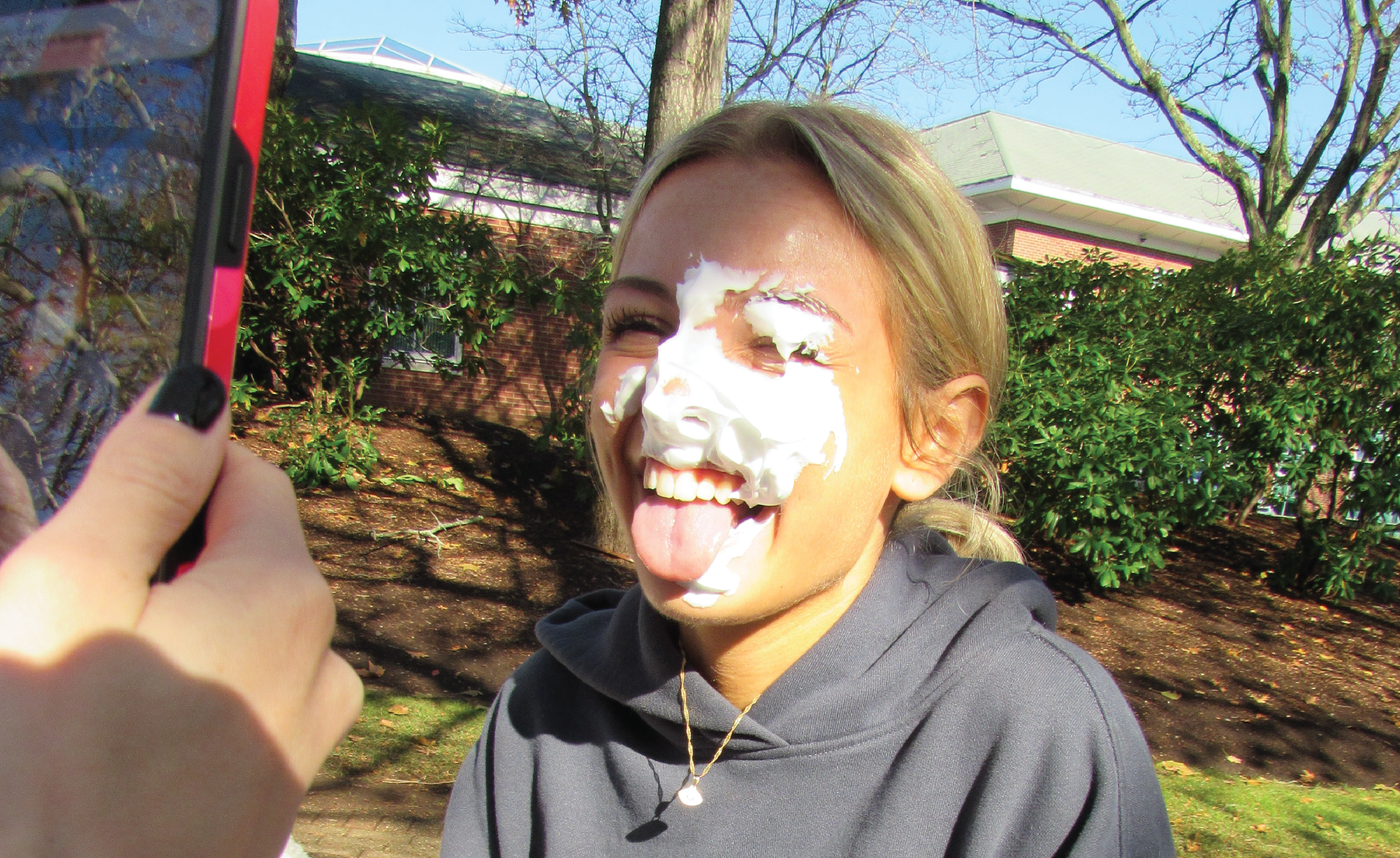
This shot from our fundraising event captures one of those in-between moments that ends up saying a lot. It’s silly, it’s unplanned, and it shows the kind of comfort we have with each other. The soft daylight and relaxed energy made this a calm, happy pause before diving back into everything else we had going on.
6. Centered in the Mirror
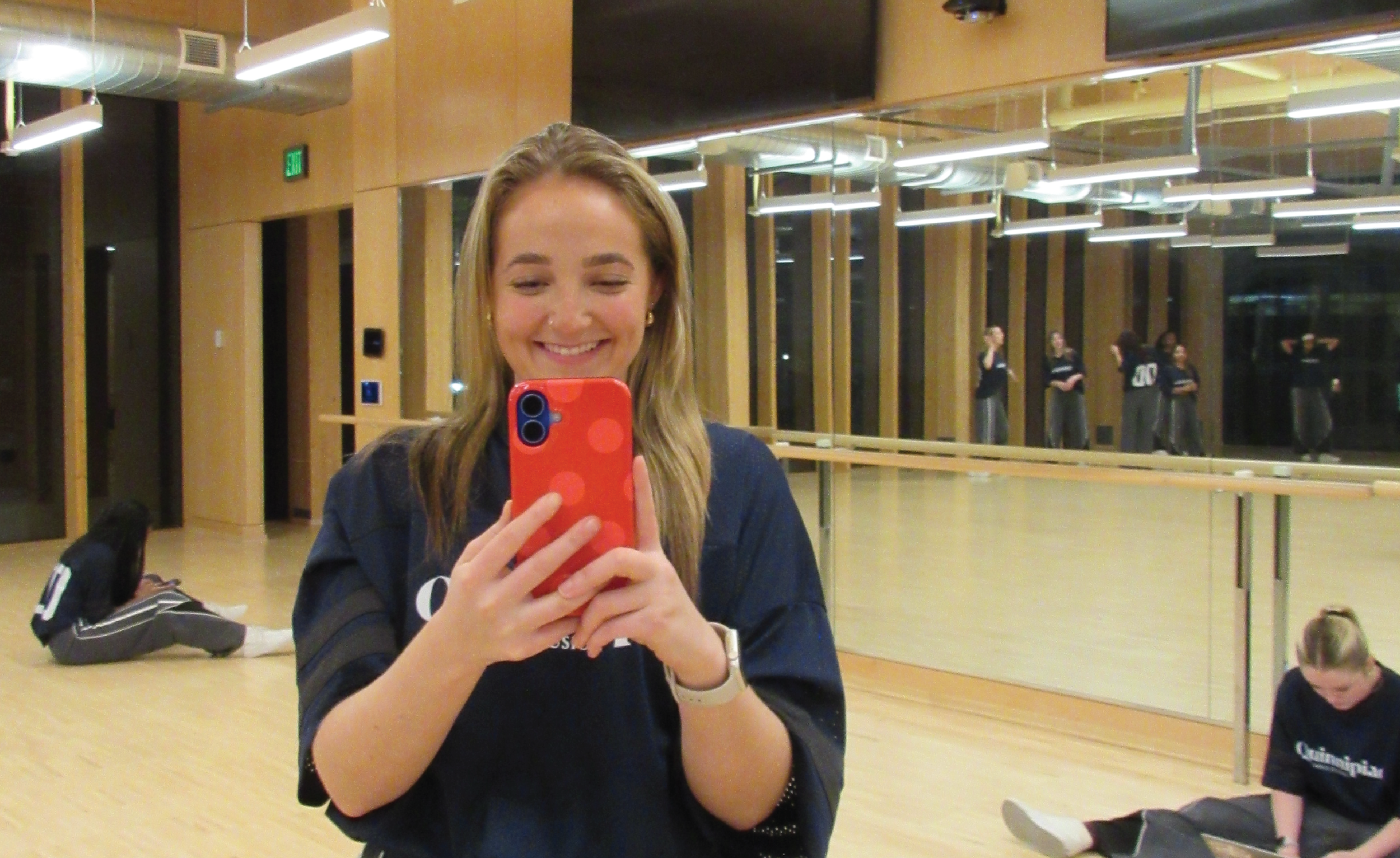
The studio mirror becomes its own little world during practice. It’s not just about checking choreography, it’s about getting centered, feeling grounded, and finding your confidence before performing. In this moment, the mirror feels more like a teammate than an object in the room.
7. The Faces of Determination
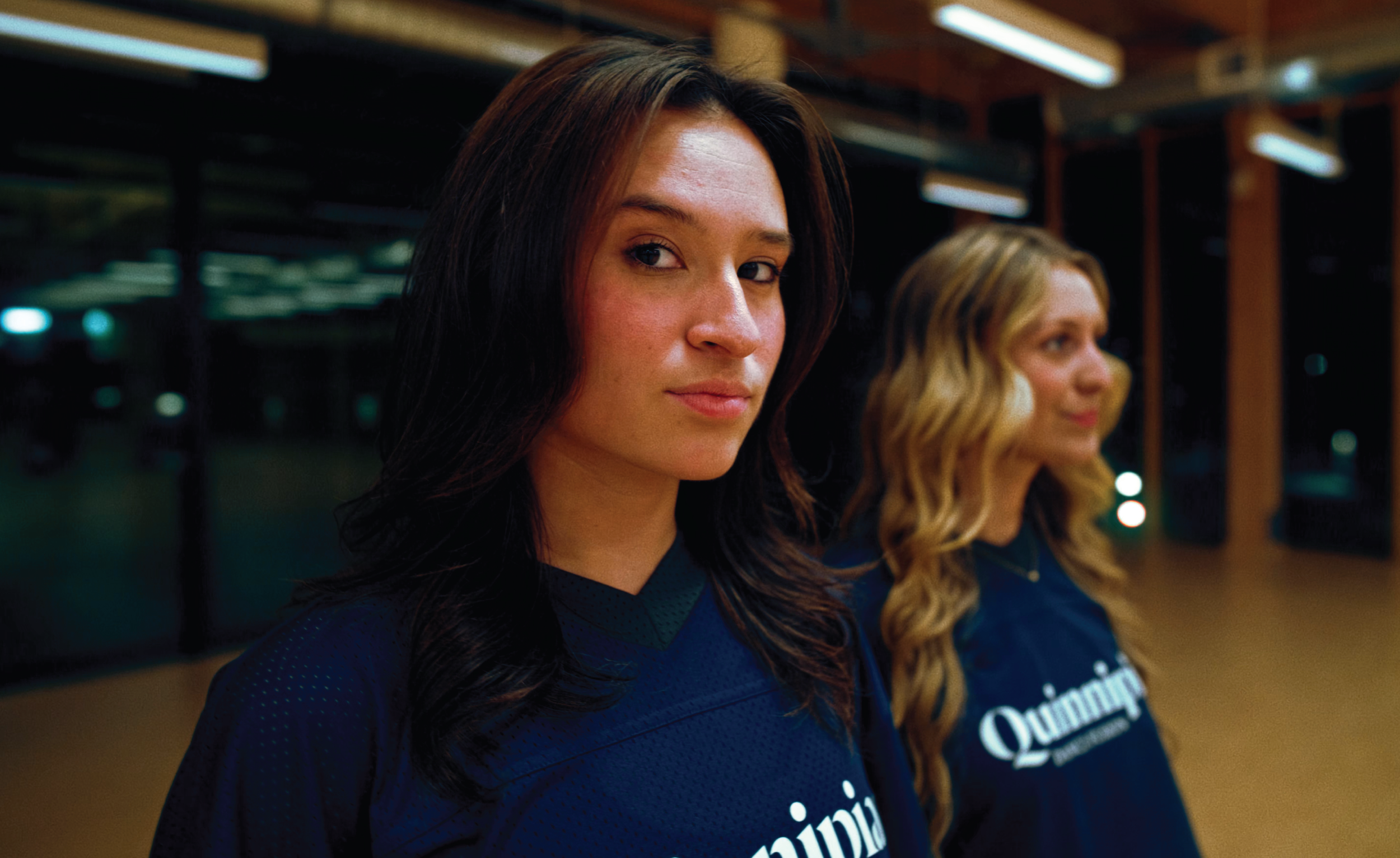
These expressions say everything. Shot for our promo video, the lighting brings each dancer forward while the background gently fades out, making their focus the clear center of the moment. It shows that shift from casual practice to game-day mindset, the point where determination starts to take over.
8. Energy in Motion
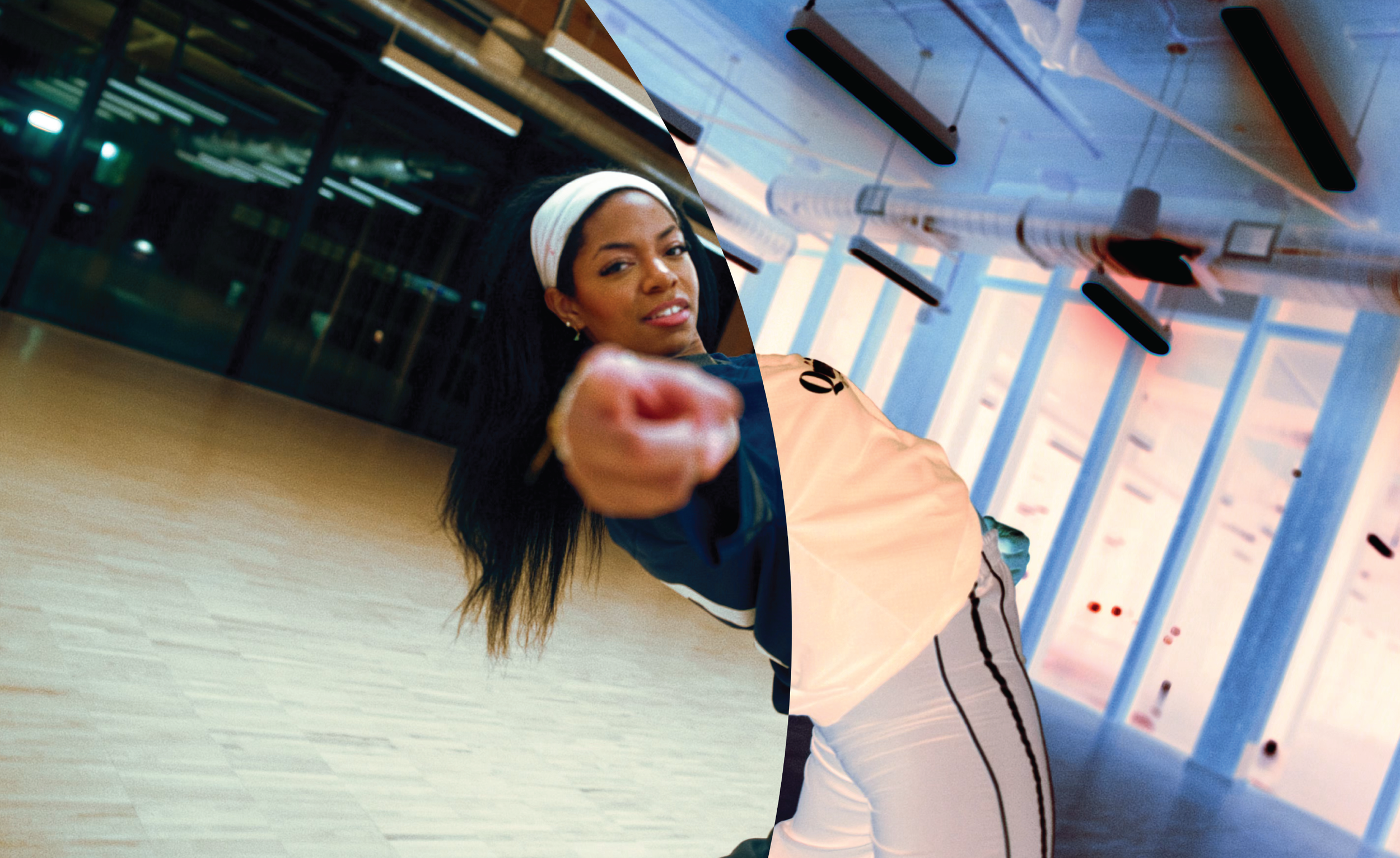
Here’s where the whole week comes together: movement, adrenaline, and that spark you only get when performing. With an arm reaching toward the camera mid-motion, you can practically feel the energy. It’s the kind of moment people remember, not because it was perfect, but because it felt alive.
9. Late-Night Bonding
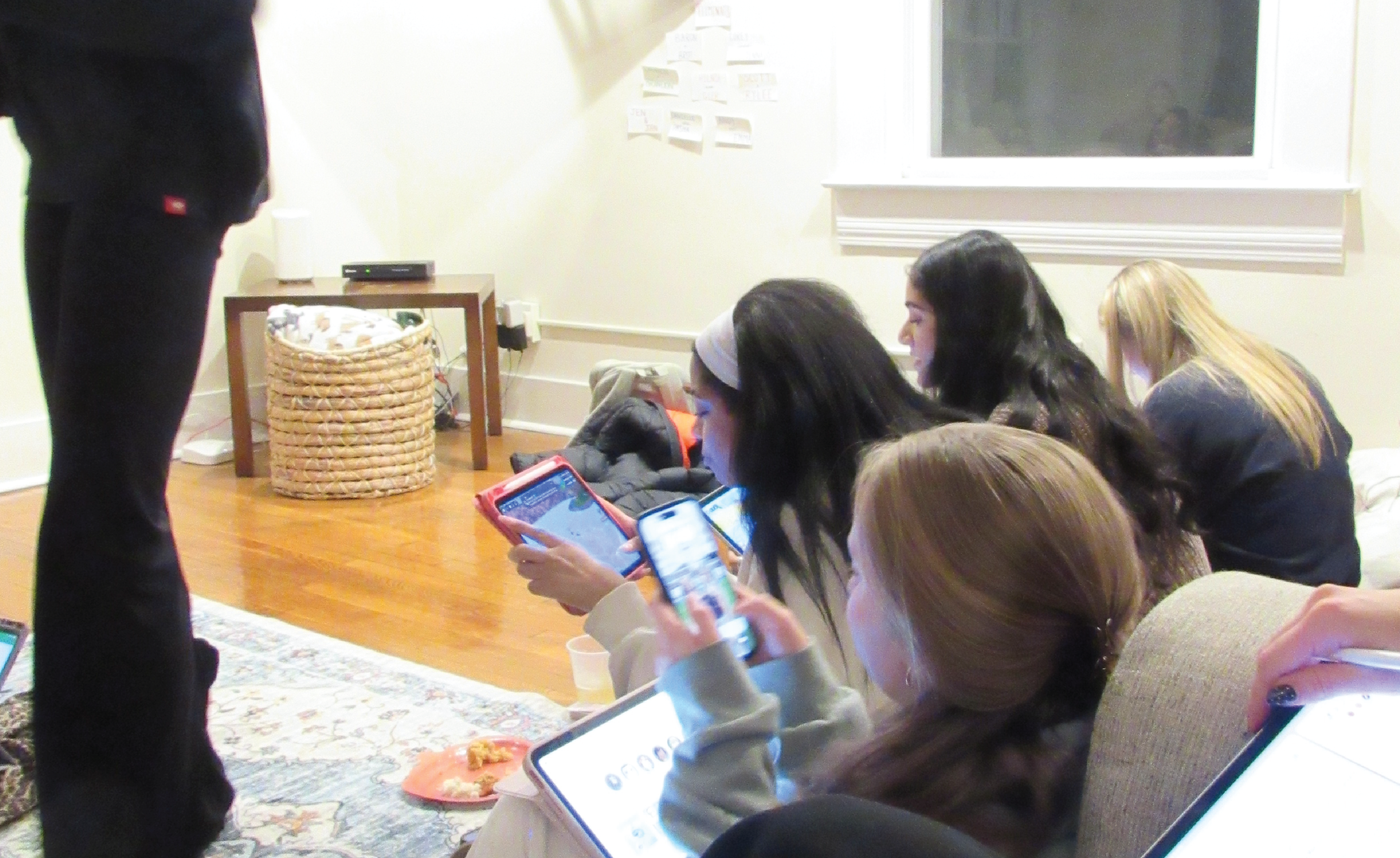
We wrapped up our week with a Friendsgiving, which somehow still included laptops, choreography notes, and fundraiser planning. Even in a cozy living room, there’s always something going on behind the scenes. The mix of food, screens, and laughter shows the side of dance most people never see, the community that builds everything else.
Approach
The purpose of this photo essay was to capture what a typical week on Dance Fusion feels like — not just what we do, but the moods, rhythms, and relationships that shape the experience. Instead of treating the photos as random snapshots, the goal was to build a story that moves, and follows the natural arc of our week. Concepts from visual storytelling, emotional design, and basic composition helped guide how each moment was photographed and arranged, creating a narrative that feels cohesive and human.
To build this narrative, I focused on three big ideas:
(1) Images should guide the viewer through a story.
(2) Emotion matters just as much as action.
(3) The environment; studios, arenas, hallways, all shape how these emotions come across.
With these ideas in mind, each photo was chosen not only for what it shows, but for what it communicates.
Setting the Scene: The Beginning of the Week
The essay opens with the quiet routines that ground us, a team huddle, small moments of composure before the chaos of a game settles in. These images establish place and tone, much like the opening of a story. They help the viewer understand where they are and who they’re with before things pick up speed.
Finding Identity and Connection
As the week unfolds, the story moves into what makes the team feel like a team. Warm-ups become a visual thread that ties dancers together, and bonding or fundraising events, bring humor into an otherwise hectic schedule. These moments soften the narrative and show the side of dance people rarely see: the friendships, inside jokes, and casual chaos that glue us together.
Preparing the Body and Mind
Studio mirrors, focused warm-ups, and intentional lighting help build the rising energy of the week. These images show the mental shift that happens before a performance: the tightening focus, the repetition, and the way dancers use their environment to center themselves. Composition techniques like depth, contrast, and foreground-background separation help highlight the intensity of these moments without overdramatizing them.
Performance and Payoff
The narrative reaches its peak with movement — arms extended, bodies in motion, dancers caught mid-performance. These images are meant to feel energized and alive, capturing the memory-making moments that stay with both performers and audiences. They’re not just pictures of dance; they’re evidence of what the whole week has been building toward.
Behind the Scenes: The Work No One Sees
The essay closes with a quieter but equally important scene: laptops glowing, schedules open, choreography being finalized at a late-night Friendsgiving. This last image adds depth to the story, showing that performance isn’t just about the spotlight, it’s about planning, teamwork, and the mental load shared behind the curtain.
Conclusion
Together, these photos create a story that’s more than a week-in-review. By blending design thinking with lived experience, the essay highlights the dedication, humor, connection, and emotion that define Dance Fusion. The goal wasn’t to make dance look perfect — it was to make it feel real, relatable, and human.
References
Action Graphics NJ. (n.d.). 4 principles of visual storytelling. (Module 1)
Blog HubSpot. (n.d.). Visual storytelling examples: how brands use storytelling in marketing. (Module 1)
History of Visual Communication. (n.d.). A history of visual communication. (Module 1)
Open Culture Editors. (2014, May). Massimo Vignelli explains his iconic 1972 New York City subway map. (Module 2)
Stout, T. (2011, September 3). How to use 3-act story structure in comic strips. (Module 2)
Plutchik, R. (n.d.). Plutchik’s wheel of emotions. (Module 3)
Norman, D. (n.d.). Designers and users: human-centered design principles. (Module 3)
WordStream. (2022, July 12). Color psychology in marketing: how to choose brand colors that convert. (Module 3)
HubSpot Marketing Blog. (n.d.). Typography & emotions in marketing: what your font says about you. (Module 3)
CANVA. (n.d.). What is Gestalt theory?. (Module 4)
Thoughtbot. (n.d.). Gestalt principles explained. (Module 4)
Artnet NMU. (n.d.). Depth cues in visual design: how to create visual depth in 2D media. (Module 4)
Interaction Design Foundation. (n.d.). Affordances: what they are and why they matter in design. (Module 4)
