

When Awareness Goes Viral
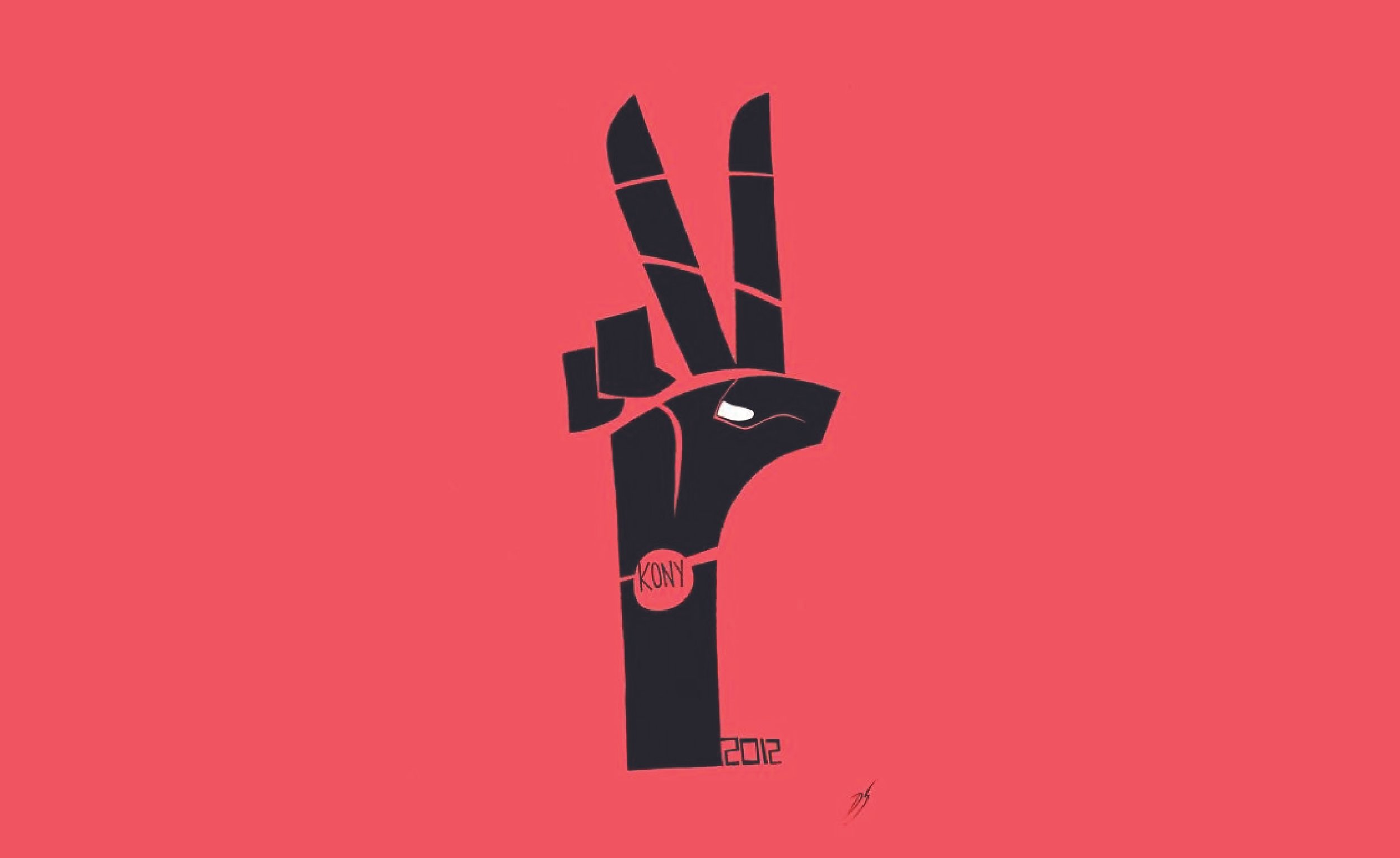
There's something unsettling about watching Kony 2012 years later. The first time, it feels urgent. Watching it again, the emotional pull is still there, but so is a creeping sense of unease. You begin to notice what the video chooses not to show, and that distance is worth sitting with.
What Is Kony 2012?
Released in March 2012 by the nonprofit Invisible Children, Kony 2012 is a 30-minute documentary-style video aimed at raising global awareness about Joseph Kony, the leader of the Lord's Resistance Army (LRA) in Central Africa. Kony had been accused of war crimes for decades, including the forced recruitment of child soldiers. The video called on viewers to share it widely and pressure governments to help capture him, turning a social media post into a form of activism.
The Power of a Simple Story
The campaign worked, in part, because it was designed to. By centering a single villain and framing a decades-long conflict through a child's eyes, Invisible Children distilled something deeply complex into something shareable. Marketing researcher Jonah Berger, in his book Contagious, argues that content triggering high-arousal emotions; outrage, awe, empathy, spreads far more readily than content that doesn't. Kony 2012 leaned into all three. Clicking "share" felt, for a moment, like doing something.
And the numbers bore that out. The video reached 100 million views in six days, a record at the time, according to The Guardian. Millions of people suddenly cared about a conflict in Uganda they had never heard of.
Where Simplicity Becomes a Problem
But that same emotional clarity had costs. The campaign's narrative centered Western voices while flattening the lived experiences of Ugandans. Many of whom had been navigating this crisis for years without international attention. Scholars and journalists, including those writing in Foreign Affairs, noted that the video's framing risked reinforcing condescending tropes about Africa rather than elevating the people most affected.
Communication scholar Zeynep Tufekci, makes a broader point: social media can scale awareness with remarkable speed, but speed and depth rarely travel together. A viral moment can generate attention without generating understanding, and without understanding, an actual sustained action becomes hard to build.
What It Still Teaches Us
Kony 2012 doesn't belong in a simple category of "good campaign" or "bad campaign." It proved that storytelling, even imperfect storytelling, can move people across borders and time zones. That instinct to care about something happening far away, is not something to dismiss.
What it asks of us now is more careful thinking about how we use these platforms. Raising awareness is a beginning, not an end. The harder work is representing issues with distinction, centering the right voices, and creating conditions for action that outlasts a single trending moment.
Social media gives us the tools to reach millions. What we choose to do with that reach, and how honestly we do it, is what actually matters.
