

When a Post Becomes a Protest
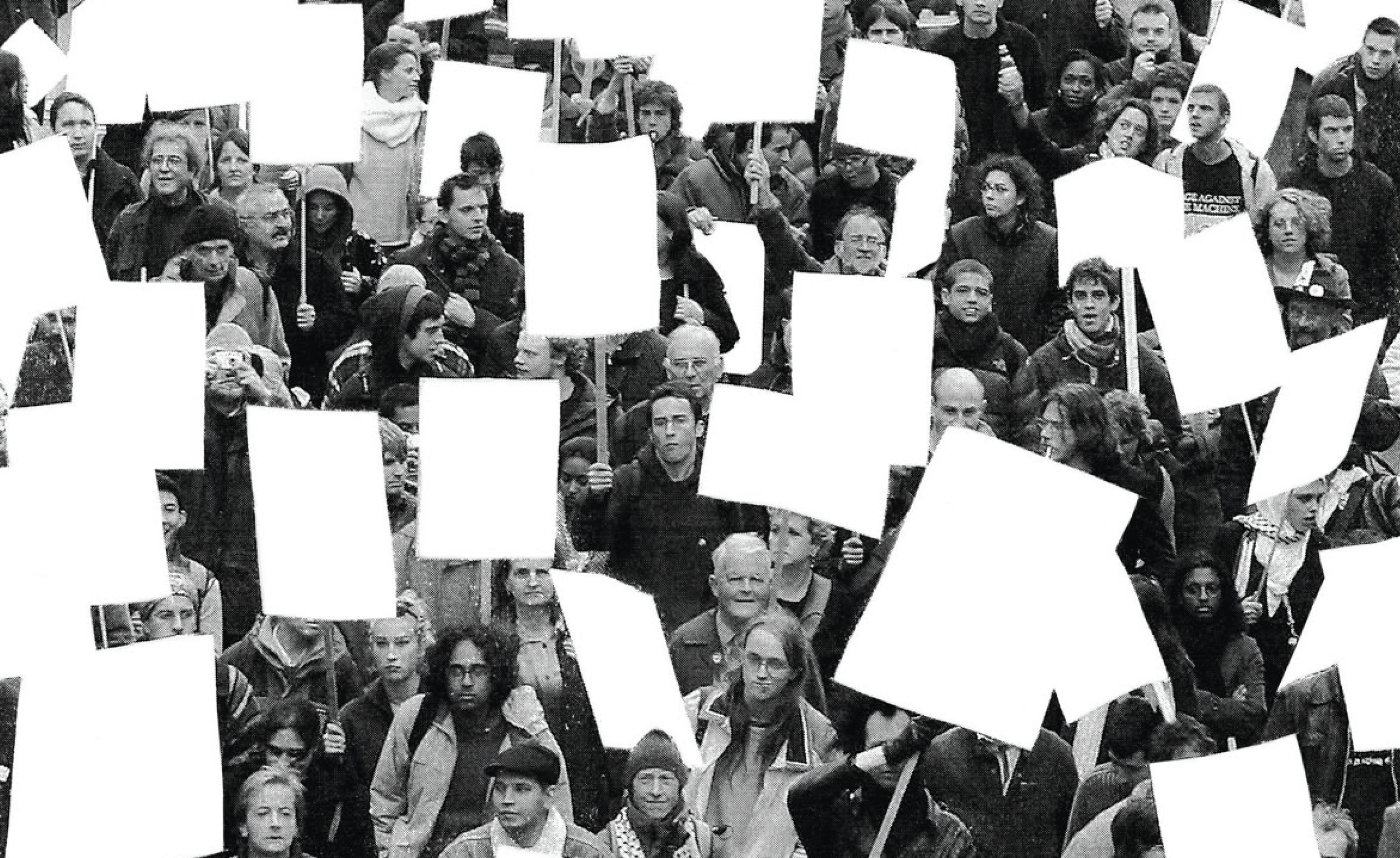
It Starts with a Tap
You’ve probably shared a post, liked a story, or reposted something that felt important. It takes seconds. But what if those small actions are part of something bigger?
Social media activism lives in that space, between the quick scroll and real-world change. It’s not just about hashtags or viral moments. It’s about how everyday people use digital platforms to speak up, organize, and push issues into the spotlight.
More Than Just “Posting”
At its core, social media activism is about connection. Platforms like Instagram or Twitter aren’t just tools for expression—they’re networks. When people engage with a cause online, they’re forming what sociologist Mark Granovetter famously described as “weak ties”; looser connections that may not feel powerful individually but can spread ideas quickly across huge audiences. Over time, those ideas can build momentum and turn into something tangible.
That’s exactly what we’ve seen in movements like #BlackLivesMatter, where conversations that started online translated into global protests and policy discussions. Media scholar Manuel Castells argues that digital networks allow movements to grow rapidly because they aren’t limited by geography or traditional gatekeepers.
But it’s not just about speed. Social media also gives people the ability to shape their own narratives. Instead of relying on traditional media to tell their stories, activists can document events in real time, share personal experiences, and build communities around shared goals. As research on digital activism suggests, this kind of communication allows movements to exist both online and offline at once .
The Complicated Truth
Still, social media activism isn’t perfect, and that’s important to acknowledge. It’s easy to dismiss it as “slacktivism,” a critique popularized by Malcolm Gladwell, who argued that low-effort online engagement lacks the depth of traditional activism. But that perspective misses something important: awareness is often the first step toward action. Visibility can shape public opinion, influence media coverage, and even pressure institutions to respond.
At the same time, these platforms are far from neutral. Scholar Zeynep Tufekci points out that while social media can amplify voices, it can also create fragile movements that grow quickly but struggle to sustain long-term change. Algorithms prioritize what’s engaging, not necessarily what’s important, which can blur messages or overwhelm audiences. As research shows, this constant flow of content can make it harder for movements to maintain clarity and direction .
So… Does It Make a Difference?
The answer isn’t simple. Social media alone doesn’t create change, but it can spark it. It lowers the barrier to participation, invites more voices into the conversation, and helps movements grow in ways that weren’t possible before.
Maybe the real power of social media activism isn’t in any single post, but in what happens when thousands, or millions, of people decide that something is worth sharing.
And that’s the moment when a post stops being just a post, and starts becoming a movement.
